Why Anthropic Isn’t Trying to Be Google
In the land of giants, the specialist is king.
The AI narrative of 2025 was dominated by the “Ecosystem War.” Google (Gemini) pushed into Android. Apple (Intelligence) pushed into the iPhone. OpenAI (ChatGPT) pushed into… everything.
They were all fighting the same battle: Distribution. They wanted to be the “Default AI” for 8 billion consumers.
But while the giants fought for breadth, Anthropic (Claude) quietly pivoted to depth.
They realized a fundamental strategic truth: You cannot beat Google at being Google. You cannot beat Apple at distribution. So, Anthropic decided to play a different game entirely.
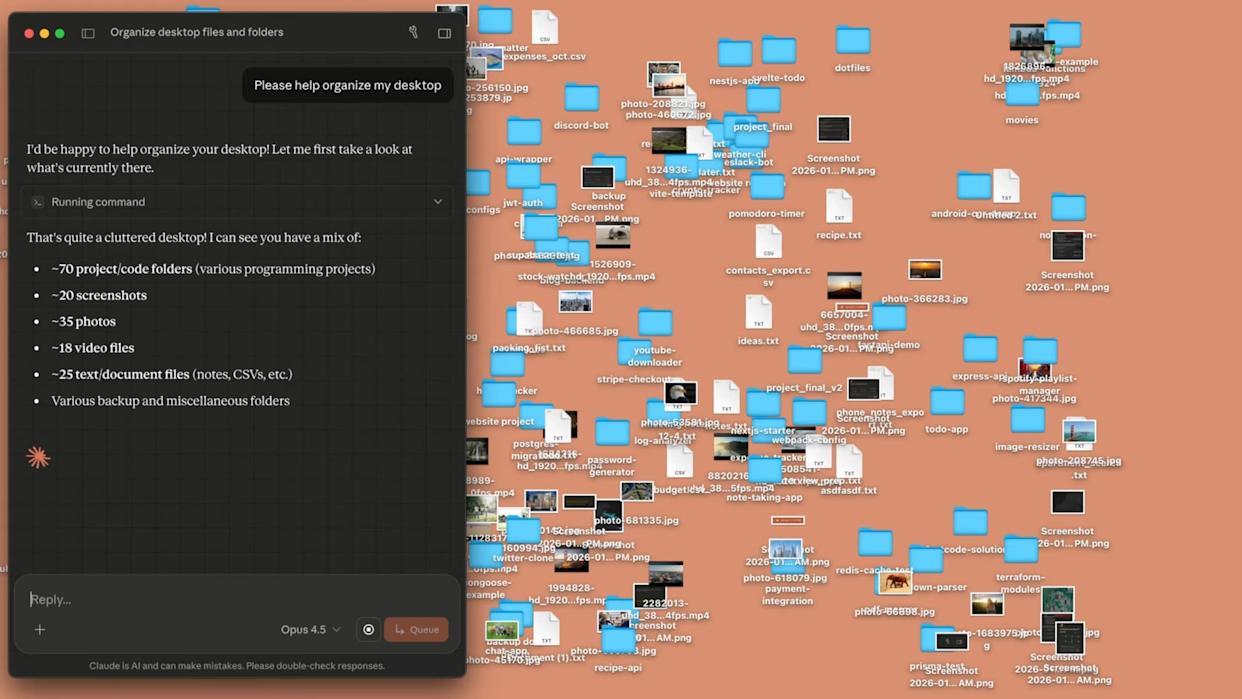
They aren’t building an “Assistant” to help you write emails. They are building an “Employee” to help you build products.
The Strategy: Vertical Competence vs. Horizontal Reach
The difference between Gemini and Claude is the difference between a Secretary and a Senior Engineer.
- Google’s Strategy (Horizontal): Integrate AI into every surface (Docs, Gmail, Search). It focuses on reducing friction for billions of tasks. The goal is Ubiquity.
- Anthropic’s Strategy (Vertical): Build features that enable deep, complex work (Coding, Research, Analysis). The goal is Competence.
The “Co-Work” Interface (Artifacts)
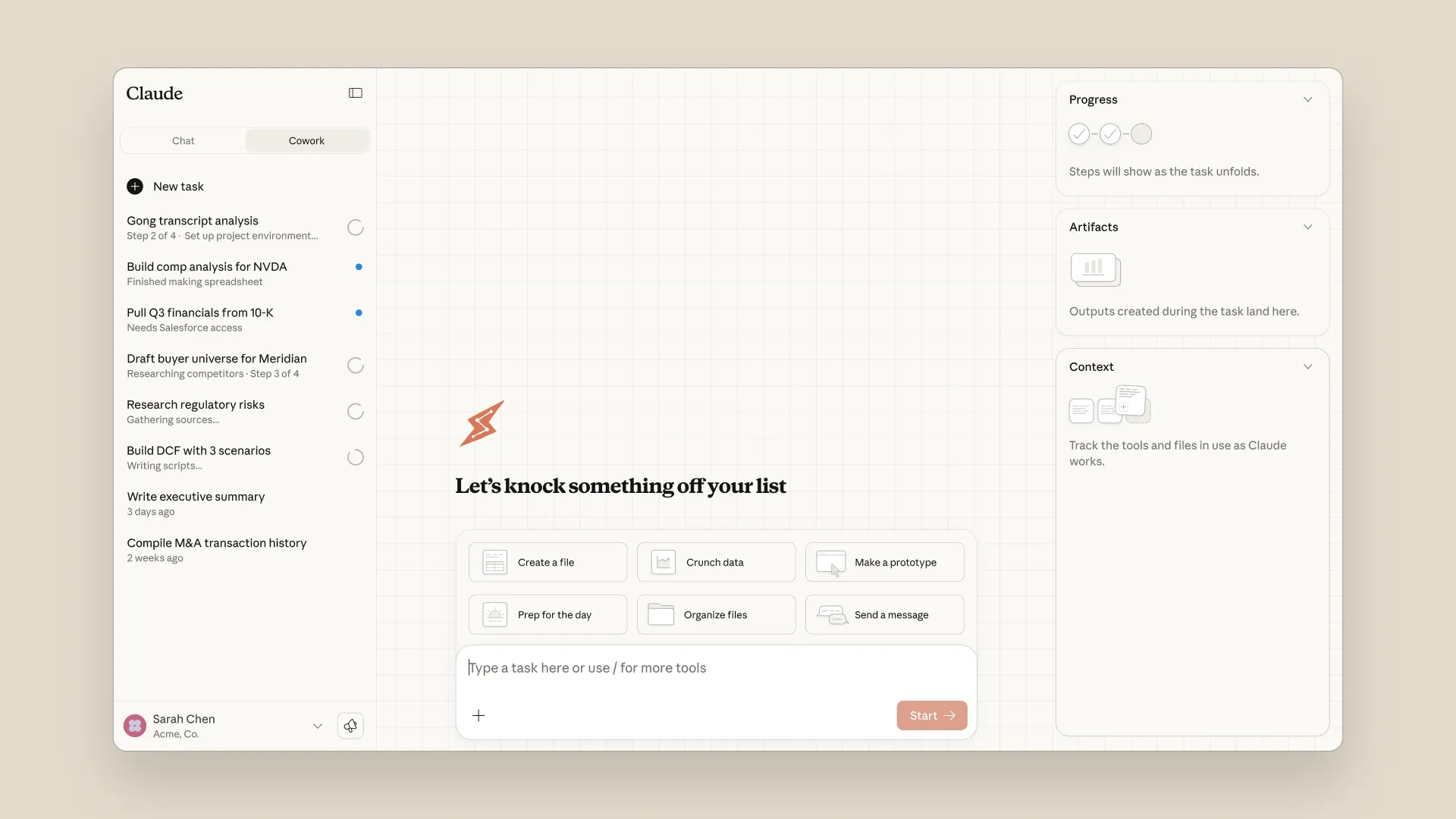
When Claude launched Artifacts (the side-by-side window that renders code and documents), it wasn’t just a UI update. It was the birth of “AI Co-Work.“
Chatbots are for talking. Co-Work is for doing.
By allowing users to visualize code, edit React components, and build dashboards in real-time alongside the AI, Claude moved from being a conversational partner to a Collaborative Workspace. This instantly made it the default tool for developers and product managers, the highest-value users in the enterprise.
“Computer Use”: The B2B Moat
The ultimate expression of this strategy is Anthropic’s “Computer Use” capability (where the AI can look at a screen, move a cursor, and click buttons).
This is the B2B “Kill Shot.”
Google wants to summarize your email. Claude wants to:
- Open Salesforce.
- Find the leads from last week.
- Cross-reference them with LinkedIn.
- Update the CRM.
This moves the value proposition from “Information Retrieval” to “Agency.” It is the first step toward the AI Employee.
The BWR Take
Anthropic knows it will never have 2 billion users. They don’t care.
They are targeting the Fortune 500 CIO. They are selling safety, steerability, and deep technical competence. They are betting that while consumers want a free assistant (Gemini), businesses will pay a premium for a competent worker (Claude).
In 2026, the question isn’t “Which AI is smarter?” The question is: “Do you want an Assistant (Google) or an Employee (Anthropic)?”

Tumisang Bogwasi
Tumisang Bogwasi is an award-winning entrepreneur and strategist sharing insights on business growth, leadership, and innovation.