Why Terra Industries is the Next Defense Giant
The Defense Tech revolution has been dangerously lopsided.
We have Anduril protecting American interests. We have Helsing shielding Europe. But in Africa (a continent losing $300 billion annually to oil theft, banditry, and infrastructure sabotage), there has been a vacuum.
Western primes sell expensive, legacy hardware that African nations can’t maintain. Chinese firms sell cheap surveillance that lacks intelligence.
Enter Terra Industries.
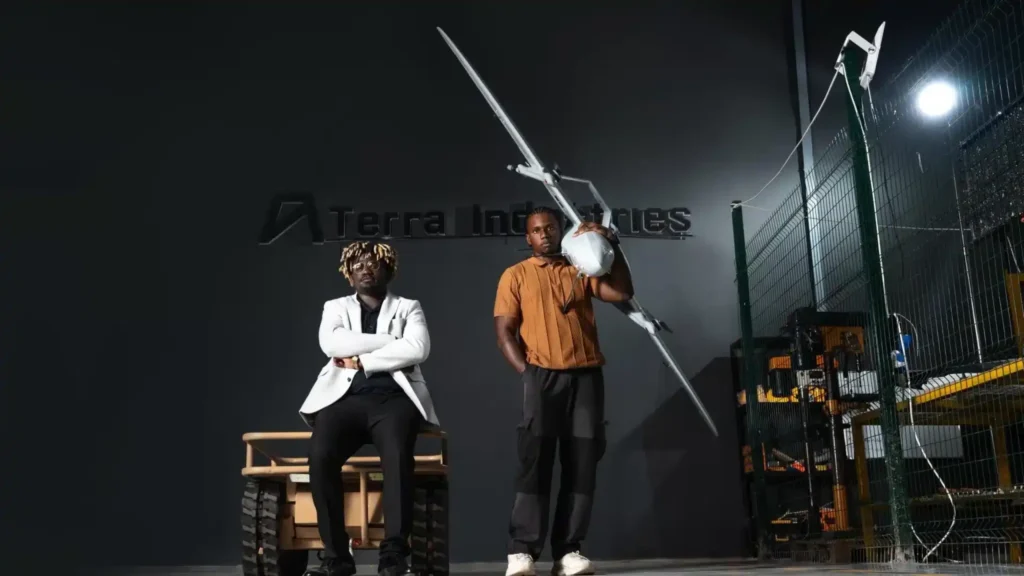
Based in Abuja, Nigeria, and emerging from stealth this month (January 2026) with $11.75 million in funding, Terra is building the “Anduril of Africa.”
Founded by Nathan Nwachuku and Maxwell Maduka, Terra is backed by heavyweights like 8VC (the firm behind Palantir and Epirus) and veterans from the Anduril ecosystem. They are proving that the future of defense isn’t just in Silicon Valley. It’s on the frontier.
The Problem: The $300 Billion Leak
In the US, “Critical Infrastructure Protection” means stopping cyberattacks. In Nigeria, Angola, and the DRC, it means stopping physical theft.
- Oil Theft: Nigeria alone loses billions of dollars a year to pipeline vandalism.
- Mining Security: Strategic mineral mines (lithium, cobalt) are vulnerable to armed groups.
- Border Control: Porous borders allow insurgency to spread unchecked.
You cannot solve this with human guards (too dangerous/corruptible) or static cameras (easy to avoid). You need Autonomy.
The Playbook: ArtemisOS
Terra isn’t just a drone company. Like Anduril, they are a software company that wraps itself in hardware.
Their core product is ArtemisOS, an operating system that acts as the “brain” for a network of sensors and drones.
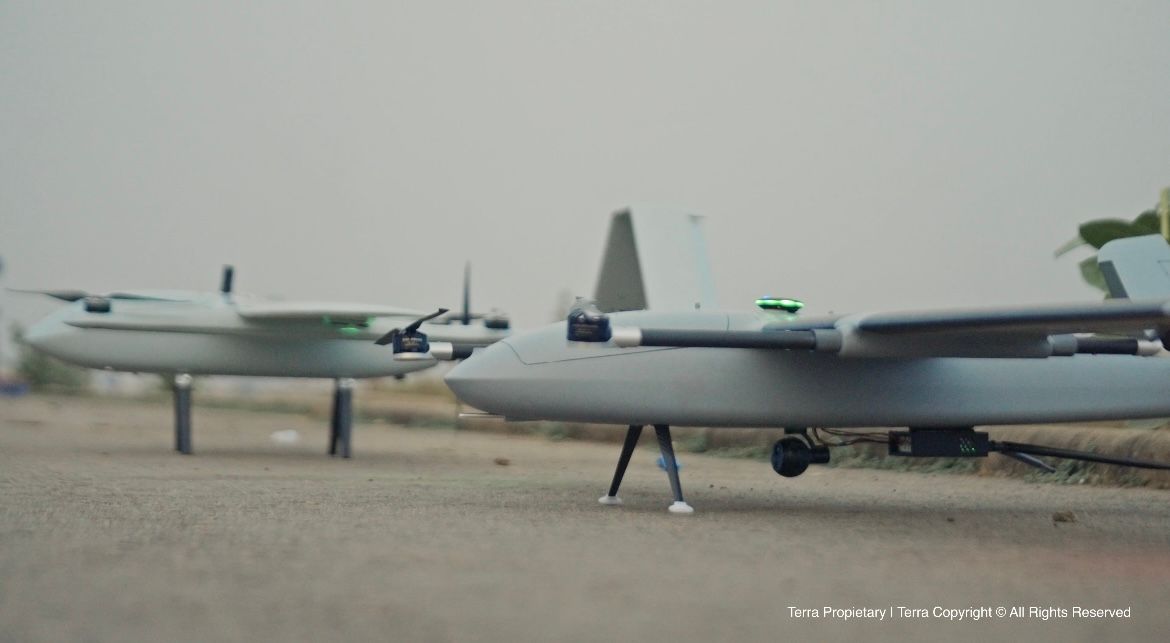
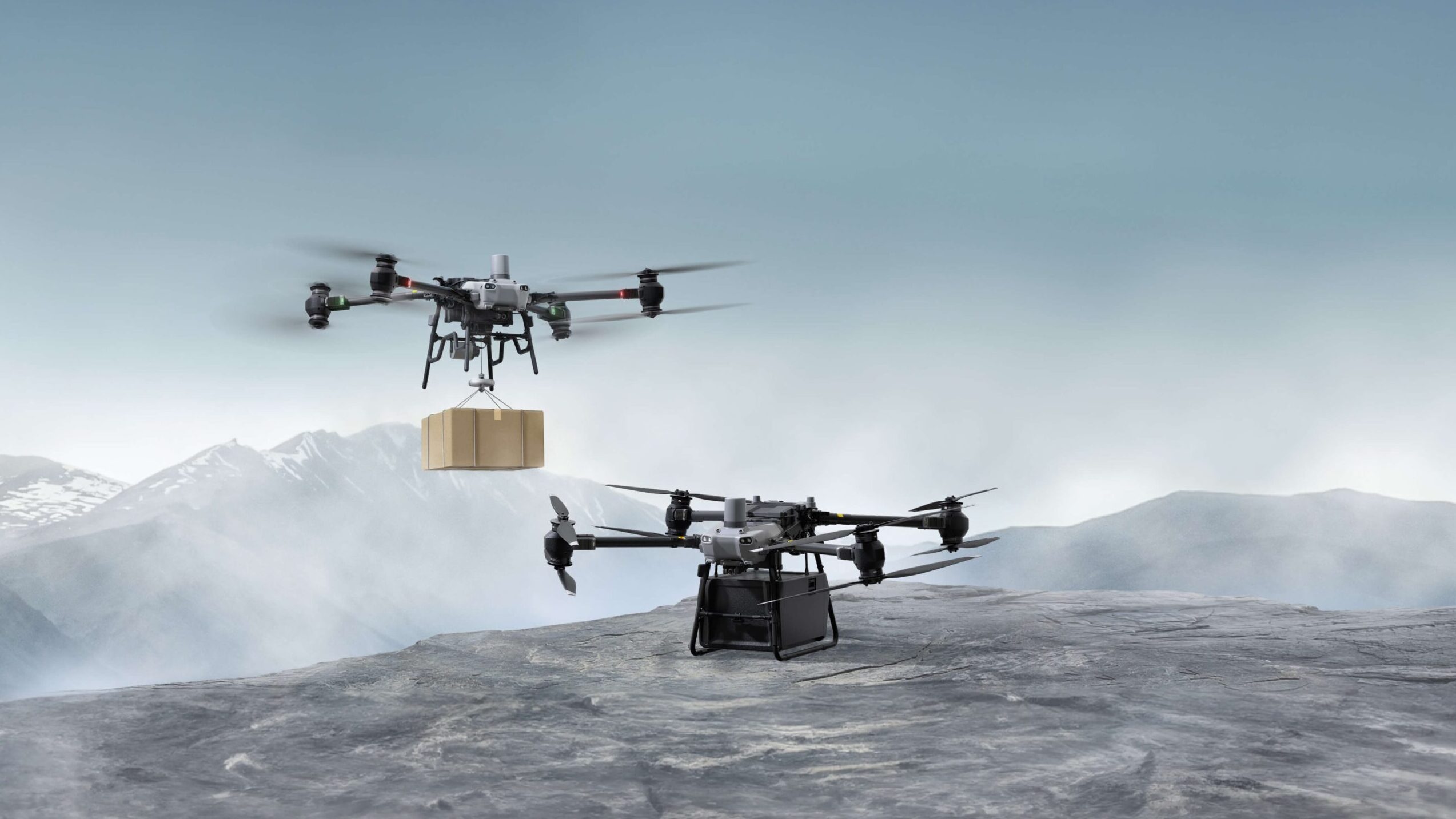
- The Hardware: They build the Archer (VTOL surveillance drone), Iroko (mass-producible quadcopter), and Kallon (solar-powered sentry towers).
- The Software: ArtemisOS fuses data from all these assets. It doesn’t just “show a video feed.” It uses computer vision to autonomously identify threats (a truck approaching a pipeline at 2 AM), classify them, and alert the command center.
- The Factory: Crucially, Nathan and Maxwell aren’t importing kits. They just opened Africa’s largest drone factory in Abuja. They are building vertical independence.
The “Silicon Valley” Validation
The involvement of 8VC and partners from the Anduril ecosystem is a massive signal.
It validates two things:
- The Talent is Global: Nathan Nwachuku (who wrote a book on quantum physics at age 15) and Maxwell Maduka prove you can build world-class aerospace engineering teams in Lagos and Abuja.
- The Market is Real: Africa is the fastest-growing market for defense and security. As the continent industrializes, the value of what needs protecting (refineries, power plants, mines) skyrockets.
Founder Lessons from the Frontier
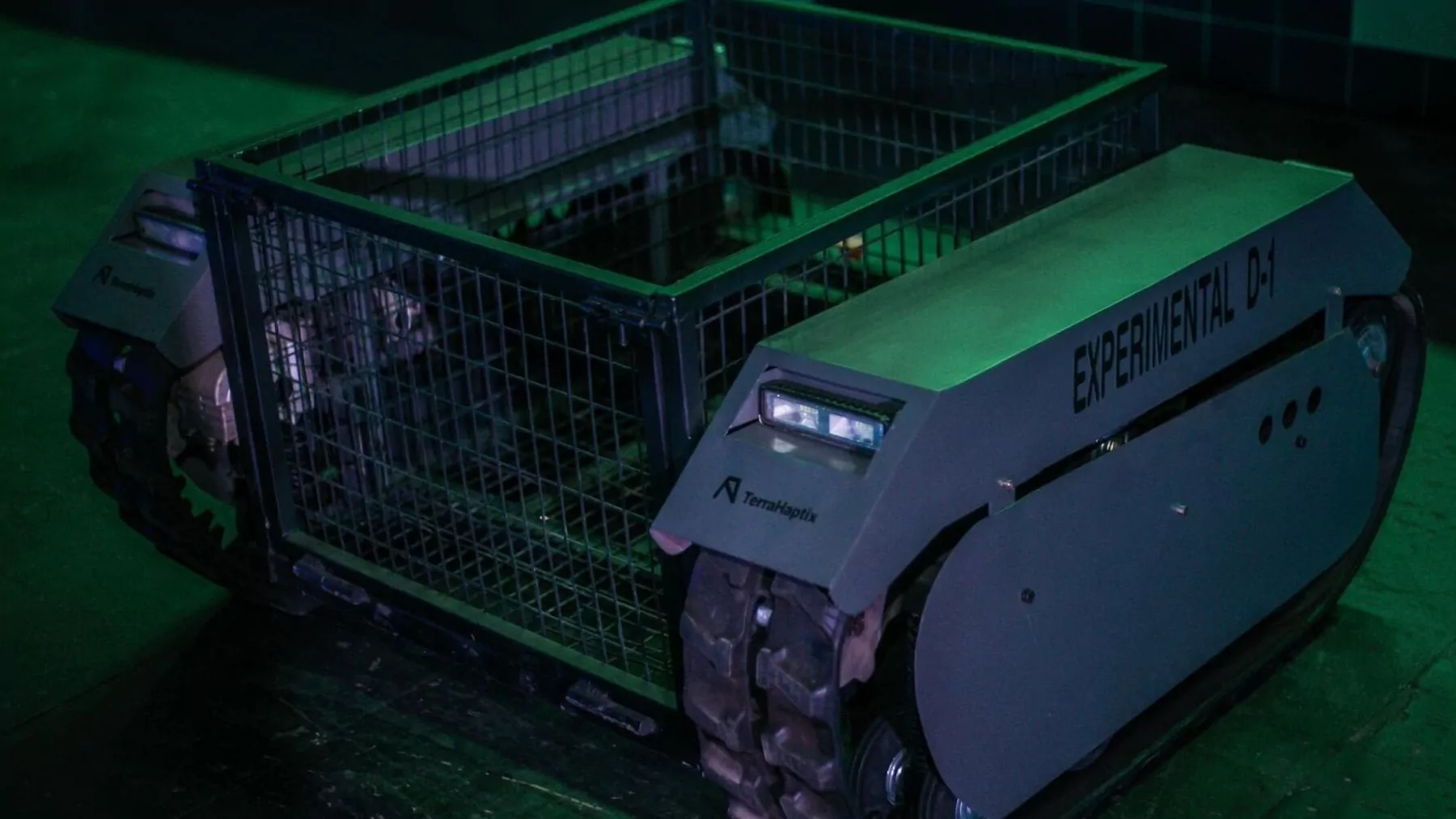
- Build for the Environment: US drones are built for US climates. Nathan and Maxwell built for the heat, dust, and connectivity gaps of the Sahel. Their “ruggedization” is their moat.
- The “Prime” Ambition: They aren’t trying to be a subcontractor. They are positioning themselves as a Tech Prime, the primary partner for African governments and multinationals.
- Cost Asymmetry: Just like Epirus fixes the cost of missile defense, Terra fixes the cost of border security. They replace expensive manned patrols with cheap, autonomous loitering munitions and sensors.
Final Word
Terra Industries is the most important defense startup no one in Washington is talking about yet.
Nathan Nwachuku and Maxwell Maduka are proving that “Hard Tech Insurgency” is exportable. By bringing the speed of software to the security challenges of Africa, they aren’t just building a company. They are securing the economic future of a continent.

Tumisang Bogwasi
Tumisang Bogwasi is an award-winning entrepreneur and strategist sharing insights on business growth, leadership, and innovation.