Why Varda is Moving Factories to Orbit

For 200 years, the Industrial Revolution has been stuck on one planet.
We have optimized every supply chain, automated every assembly line, and squeezed every efficiency out of physics. But we still have one massive, unfixable bug in our manufacturing process:
Gravity.
On Earth, gravity causes sedimentation. It causes convection. It makes mixtures separate, and crystals form imperfectly. For certain high-value products (like life-saving pharmaceuticals and fiber optics) gravity is a manufacturing defect.
Enter Varda Space Industries.
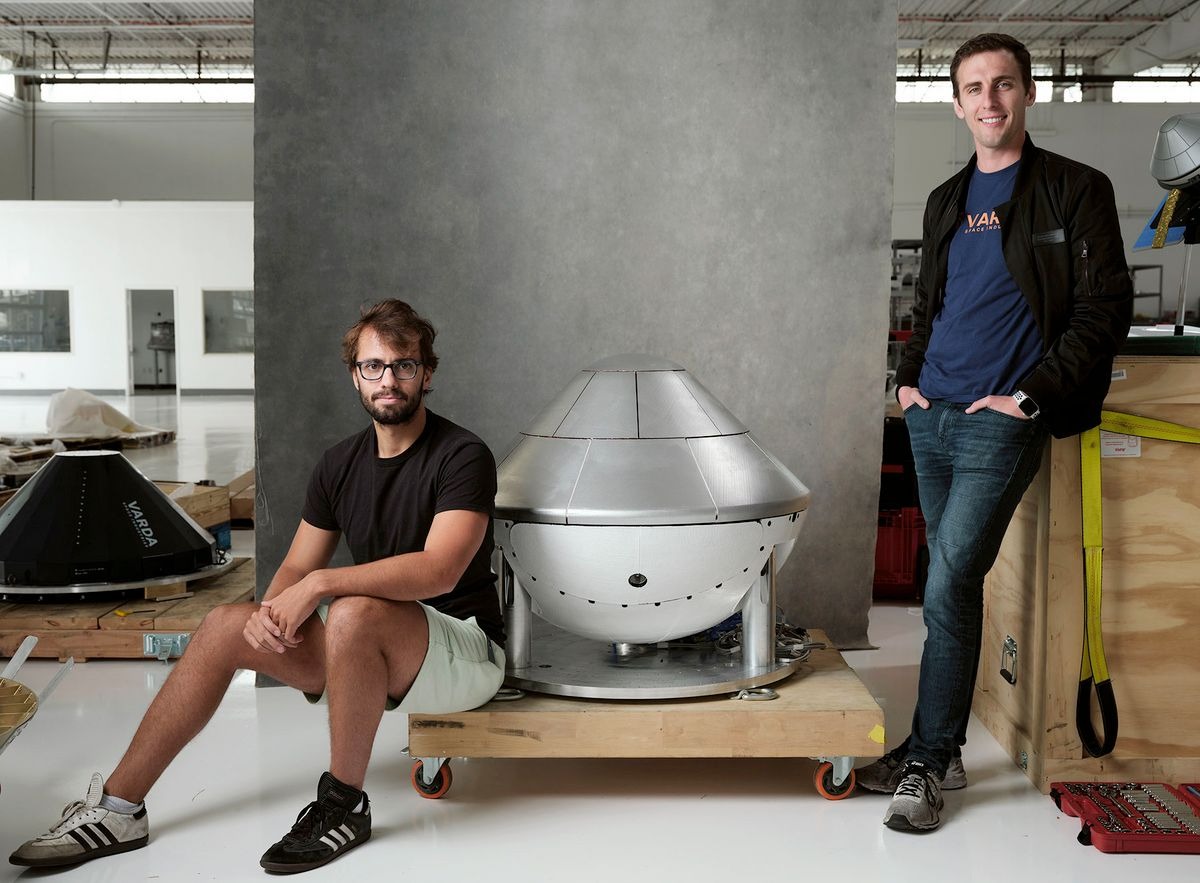
Founded by Delian Asparouhov (Founders Fund) and Will Bruey (SpaceX veteran), Varda isn’t a rocket company. They don’t care about getting to space (SpaceX solved that).
They are a Space Manufacturing company. They are building the factories that float.
The Problem: Chemistry vs. Gravity
When you crystallize a drug on Earth (like Ritonavir, an HIV medication), gravity pulls the molecules down, creating imperfections. These imperfections mean you need higher doses, which cause more side effects.
In Microgravity (Zero-G), those forces disappear. Crystals grow perfectly. They form structures that are physically impossible to create on Earth.
The result: Drugs that are more potent, soluble, and shelf-stable.
The Playbook: The Winnebago
Varda’s genius was realizing that “Space” isn’t the product. The Product is the product. Space is just the factory floor.
- The Ride: They buy a ticket on a SpaceX Falcon 9 (rideshare).
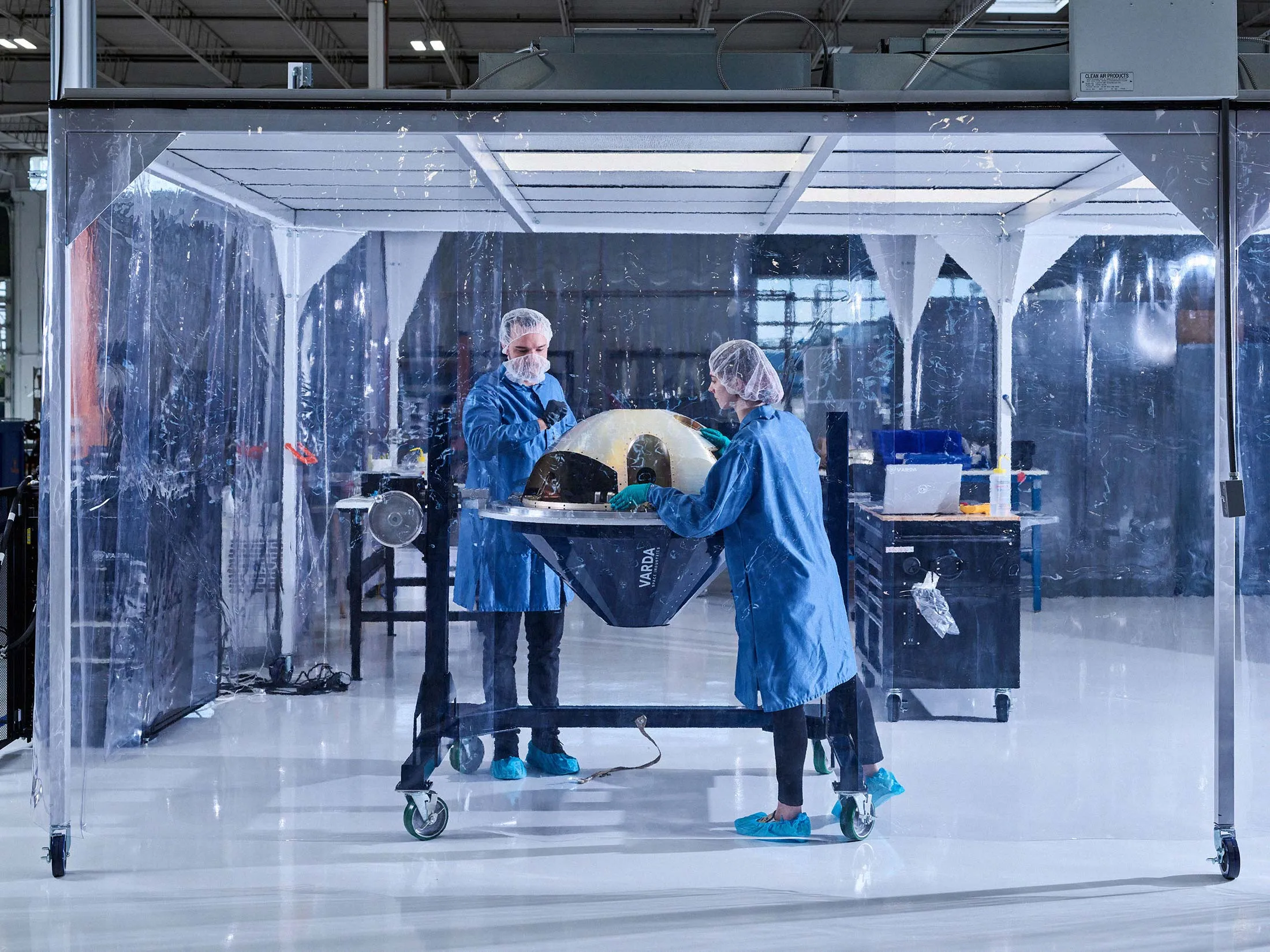
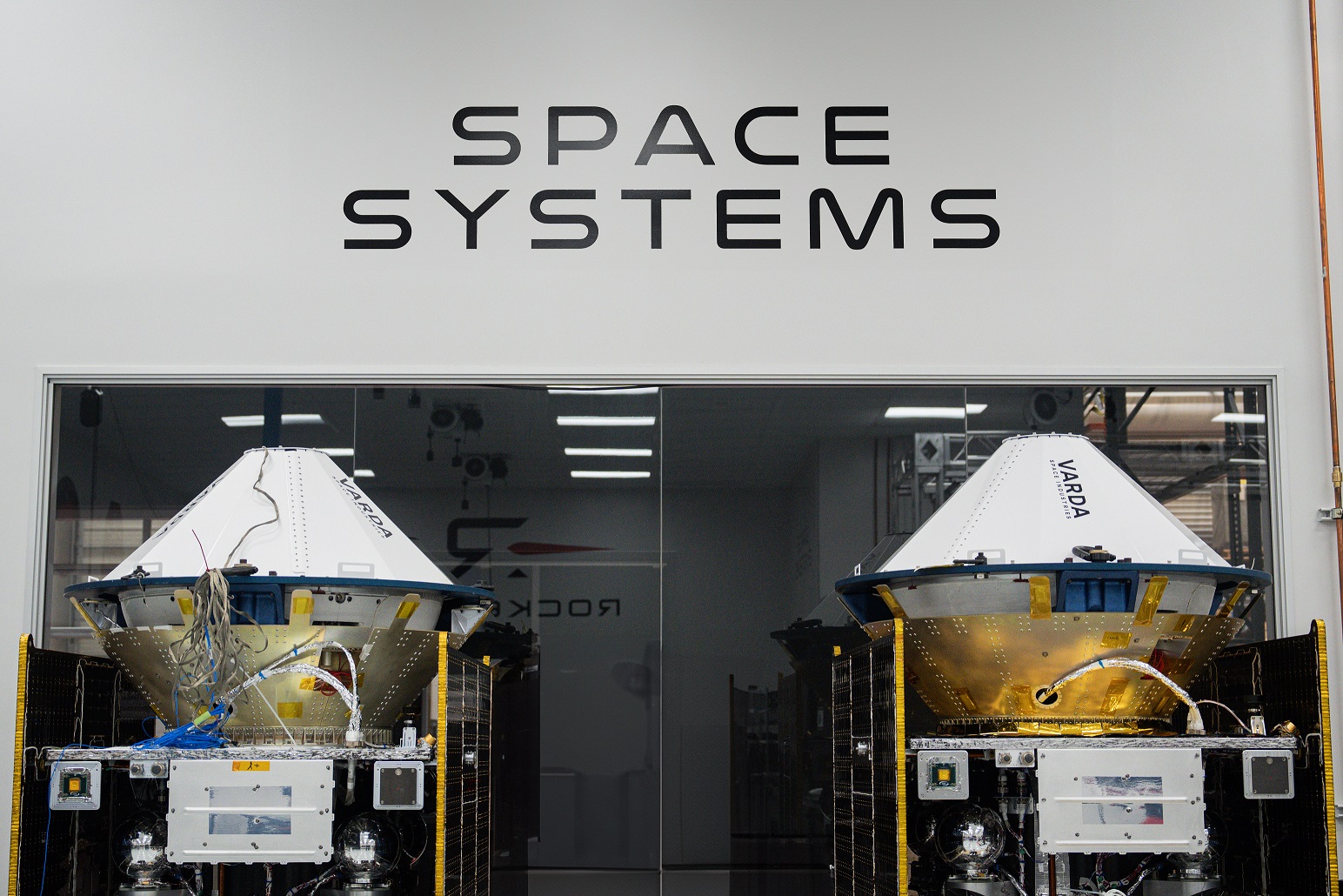
- The Factory: Their spacecraft orbits Earth. Inside, a robotic lab synthesizes the drug in microgravity.
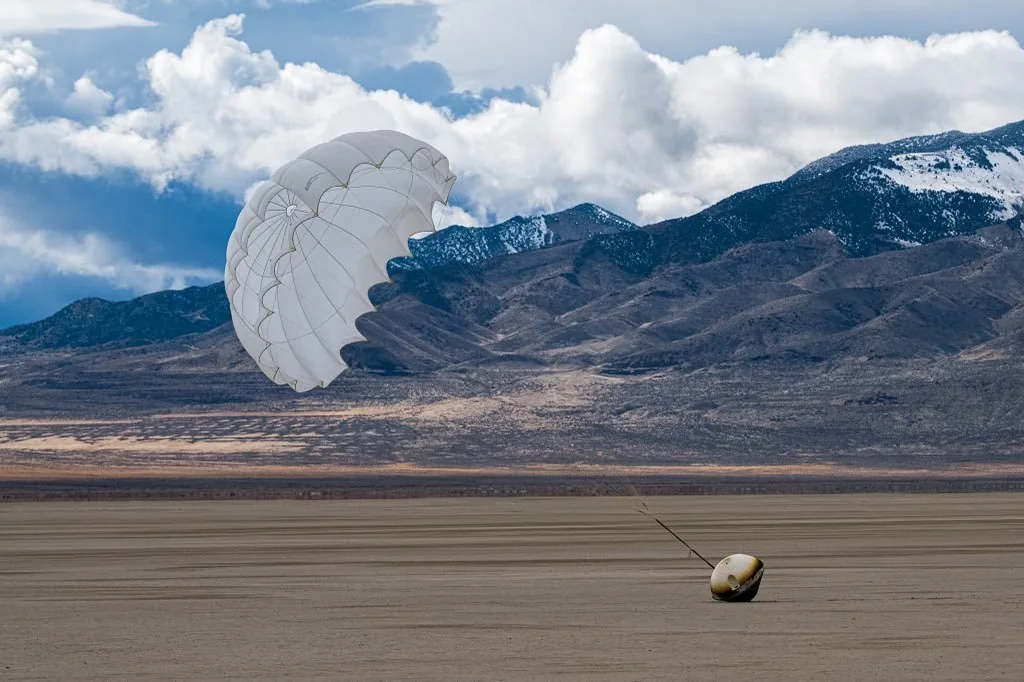
- The Return: This is the hard part. Launching is easy; landing is hard. Varda built the Winnebago, a reentry capsule that survives the burning heat of the atmosphere to deliver the finished drugs back to a landing site in Utah.
In February 2024, they successfully landed their first mission (W-1). It was the first time a commercial company landed a pharmaceutical payload on US soil.
The Economics: Value Per Kilogram
Why drugs? Why not steel or cars?
Launch Cost vs. Product Value. It costs ~$1,500 to send a kilogram to orbit.
- Steel: Worth $1/kg. (Economic Suicide)
- Gold: Worth $60,000/kg. (Maybe)
- Pharmaceuticals: Worth $100,000+ per kg. (Massive Margin)
Varda is starting with the only products that justify the shipping cost: Drugs and Optical Fiber (ZBLAN).
Founder Lessons
- Stand on Giants. Varda exists because SpaceX exists. Will Bruey (CEO) spent years at SpaceX working on the Dragon capsule. He took that institutional knowledge and applied it to a niche (reentry) that SpaceX was ignoring.
- Regulatory Moat. The hardest part wasn’t the engineering; it was the FAA license to land. Varda spent months fighting bureaucracy to get permission to drop a capsule into the Utah desert. That license is now a massive moat against competitors.
- Space is Boring. Delian Asparouhov’s thesis is that space shouldn’t be about “Star Trek.” It should be about “Supply Chain.” The goal is to make space manufacturing as boring and reliable as a shipping container crossing the ocean.
Final Word
The Industrial Revolution didn’t end; it just ran out of room.
Varda is proving that the next trillion dollars of value won’t be generated on Earth. It will be generated 200 miles up, in the silent, weightless factories of Low Earth Orbit.

Tumisang Bogwasi
Tumisang Bogwasi is an award-winning entrepreneur and strategist sharing insights on business growth, leadership, and innovation.