The $0 Margin Strategy: Why Costco Wants to Lose Money on Hot Dogs
Almost every retail business on earth operates on the same fundamental equation: Buy low, sell high. You acquire a product for $10, you sell it for $15, and you pocket the $5 margin.
Costco rejects this equation entirely.
Costco operates on a business model so counter-intuitive that if a startup pitched it today, venture capitalists would laugh them out of the room. Costco actively tries to make $0 profit on the items it sells.
They cap their retail markups at roughly 14% (compared to 25-50% at traditional grocers). That 14% covers the overhead of running the warehouse and paying the employees.
So, if Costco doesn’t make money selling massive TVs, gallons of mayonnaise, or rotisserie chickens, how is it a multi-billion-dollar juggernaut?
They have mastered the Membership Moat.
The Illusion of Retail
Costco is not a retail store. It is an exclusive Subscription Club.
When you look at Costco’s income statement, a brilliant truth emerges: The vast majority of its net income (often over 70% to 90%) comes directly from membership fees.
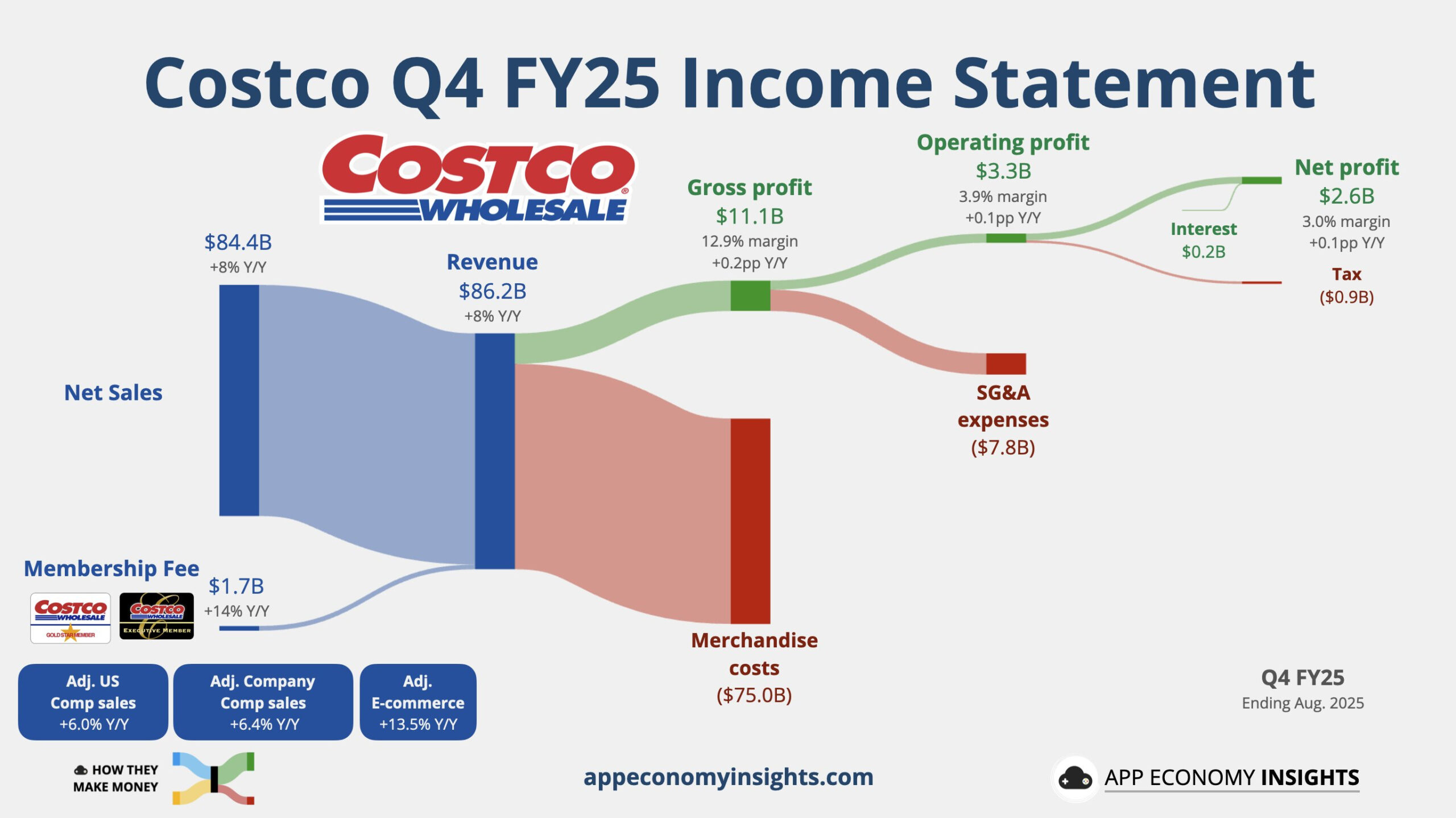
The products on the shelves are not the profit center. The products are the Customer Acquisition and Retention Cost.
Costco deliberately sells a massive, high-quality rotisserie chicken for $4.99, and loses tens of millions of dollars a year doing it. They sell a hot dog and soda combo for $1.50, a price that hasn’t changed since 1985.
Why? Because when a customer knows they are getting an unbeatable, irrational deal on a hot dog or a chicken, they happily renew their $60 to $120 annual membership. (Costco’s renewal rate hovers at an astounding 90%+).
The “Gold Bar” Phenomenon
Recently, Costco started selling 1-ounce solid gold bars to its members. They frequently sell out in hours, generating hundreds of millions in monthly revenue.
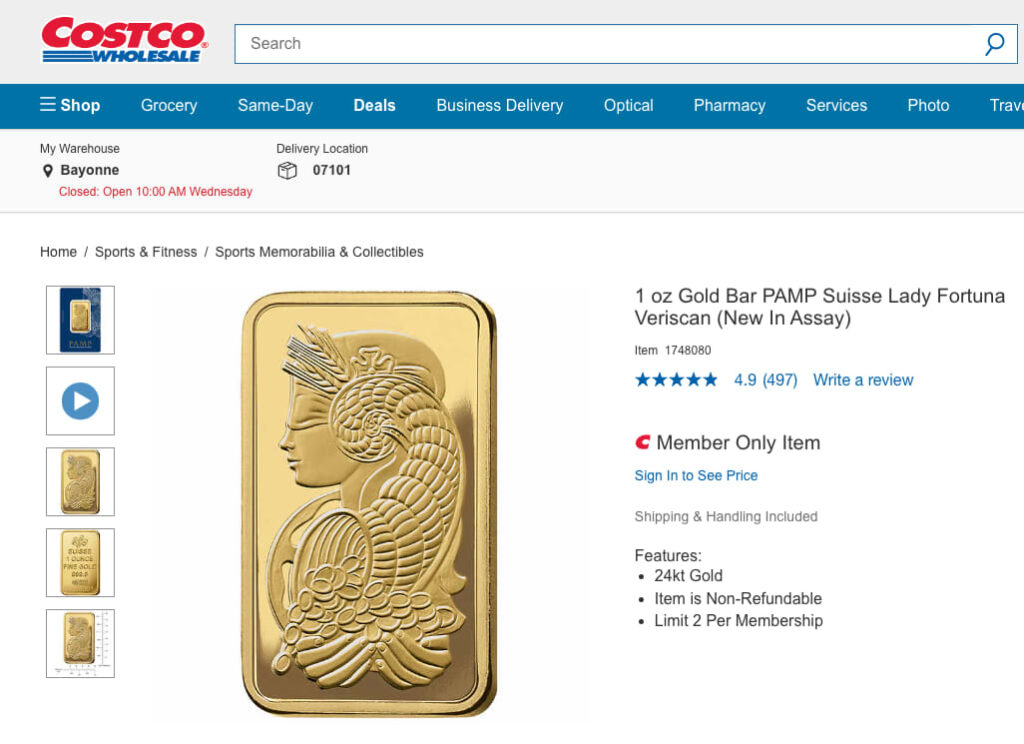
Financial analysts were confused. Why is a grocery store acting like a commodities broker? And why are they pricing the gold so low that they barely break even?
Because it fuels the Treasure Hunt. Costco trains its members to believe that if they walk down the aisles, they might find something incredible, scarce, and underpriced.
Selling gold bars at cost isn’t about making a margin on gold; it’s about generating massive PR, driving foot traffic, and reminding high-net-worth members why their subscription is so valuable.
The BWR Take
Costco’s strategy is the ultimate inversion of modern business. Instead of trying to squeeze the highest possible margin out of their customers, they try to give their customers the highest possible value, and charge a flat fee for access to that value.
The lesson for leaders is profound: What if your core product wasn’t the thing you sold, but the privilege of doing business with you?
If you can build a moat so deep that customers will literally pay an entrance fee just to walk through your doors, you don’t need to worry about margins anymore.

Tumisang Bogwasi
Tumisang Bogwasi is an award-winning entrepreneur and strategist sharing insights on business growth, leadership, and innovation.