The Uranium Algorithm: How Terranox AI is Fueling the Nuclear Renaissance
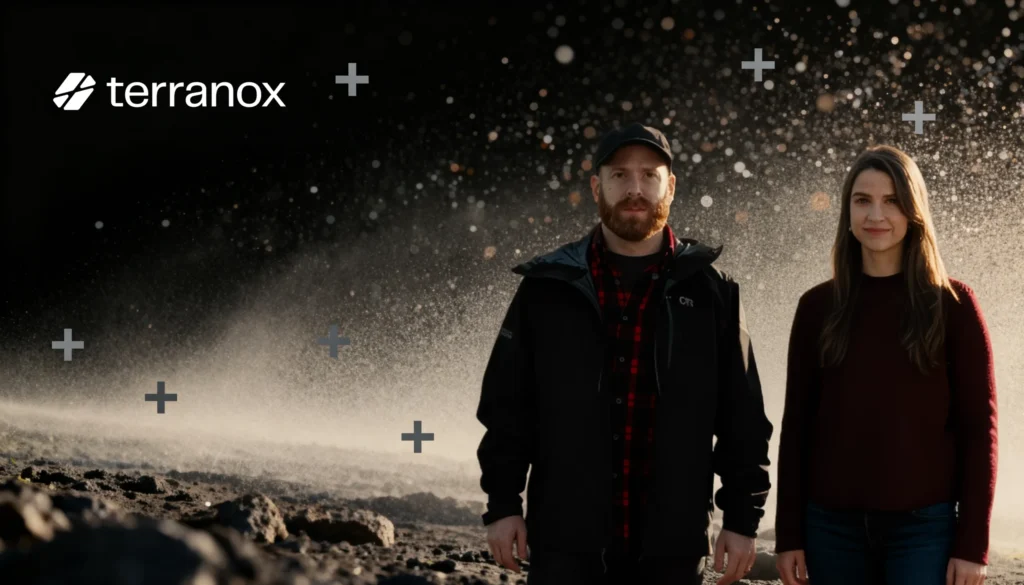
The AI revolution has a massive, glowing vulnerability.
We are currently building data centers that require gigawatts of continuous, 24/7 power. Solar and wind cannot provide that baseload. The tech industry has finally accepted the inevitable: If we want to power the future of AI, we need Nuclear Energy.
Microsoft is restarting Three Mile Island. Amazon is buying nuclear-powered data centers.
But there is a catch. To build reactors, you need Uranium. And finding high-grade uranium in North America relies on a workflow that hasn’t fundamentally changed since the Cold War. It involves geologists hiking through the wilderness, drilling expensive blind holes, and sifting through decades-old paper records.
It is slow, analog, and highly inefficient.
Founded by Jade Checlair and Leeav Lipton, and backed by Y Combinator, Terranox is turning the hunt for nuclear fuel into a software problem. They are building the “picks and shovels” for the atomic age.
The Problem: The Analog Haystack
The United States currently imports the vast majority of its uranium. For national security and supply chain resilience, the US needs to mine its own.
But geological exploration is notoriously inefficient.
- The Data Graveyard: Over the last 70 years, mining companies have generated mountains of data: drill logs, radiometric surveys, geochemical assays. But most of this data is unstructured. It lives in dusty filing cabinets, scanned PDFs, or fragmented legacy databases.
- The Hit Rate: Because the data is messy, geologists rely heavily on intuition. They drill test holes that cost millions of dollars, often coming up empty.
You cannot fuel a trillion-dollar AI boom with a 1970s exploration workflow.
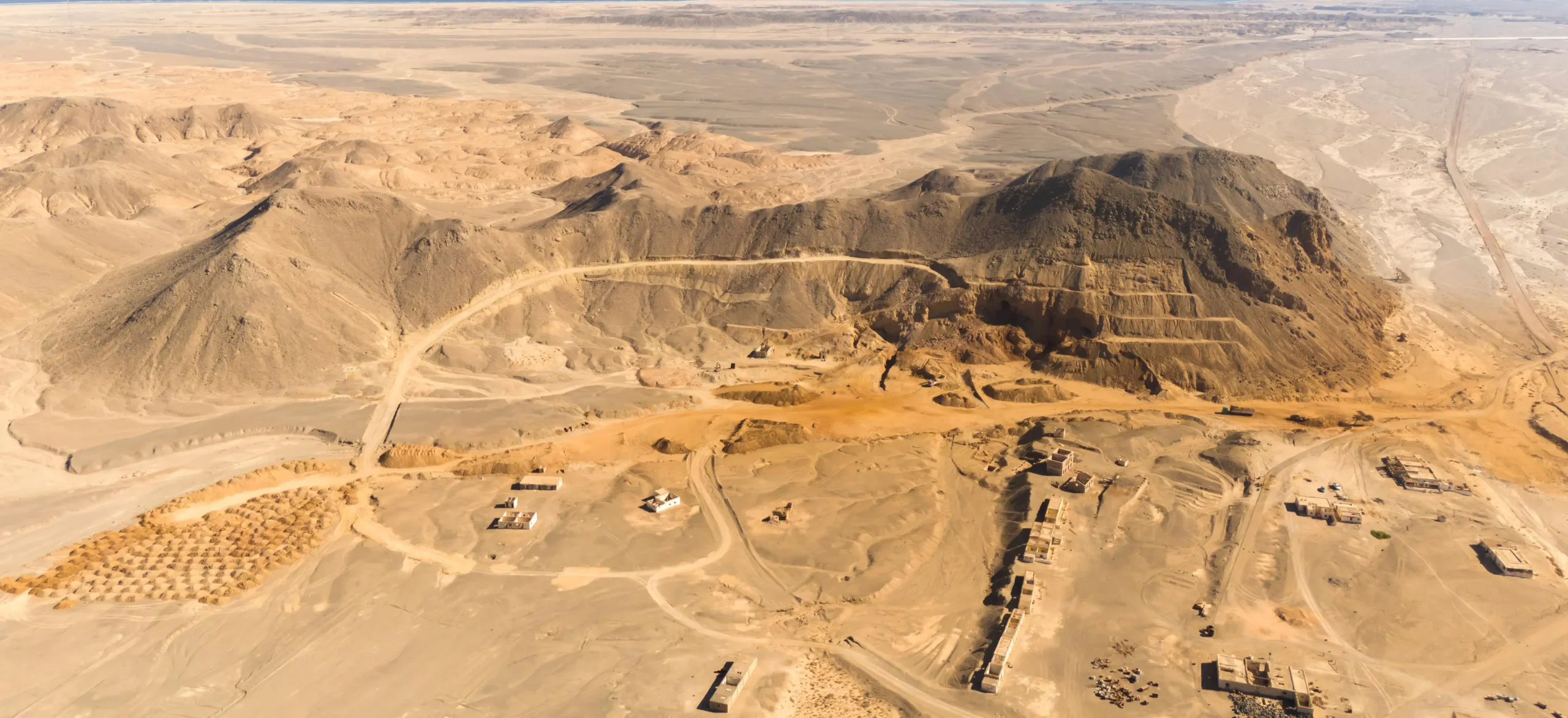
The Playbook: The AI Prospector
Terranox AI solves the workflow friction by doing what humans can’t: analyzing the entire history of the earth’s crust simultaneously.
- Ingesting the Graveyard: They use AI to digitize, clean, and structure 70+ years of historical geological data. They turn “dead” analog data into a living dataset.
- Predictive Modeling: They train machine learning models on the geological signatures of known, high-grade uranium deposits. The AI learns exactly what a massive uranium strike “looks like” in the data.
- Target Generation: Instead of sending a team to wander the Canadian shield with Geiger counters, Terranox’s software highlights the exact coordinates with the highest statistical probability of a strike.
They are compressing a multi-year physical search into a high-speed computational query.

Founder Lessons: The Ultimate Resource Play
- Software in the Dirt: The highest ROI for AI isn’t building another chatbot. It is applying machine learning to heavy, physical industries (mining, manufacturing, logistics) that are drowning in unstructured data.
- Ride the Macro Wave: Terranox is surfing two massive geopolitical tsunamis: The AI Power Crisis and the push for Western Supply Chain Sovereignty. When your startup solves a national security bottleneck, capital and customers follow.
- Workflow Compression: At its core, Terranox is a workflow optimization engine. By telling mining companies exactly where to drill, they eliminate years of wasted labor and millions in capital expenditure. They sell efficiency.
Final Word
The most valuable AI companies of the next decade won’t be the ones generating text. They will be the ones interacting with the physical world.
Terranox AI proves that the bridge between the digital future (LLMs) and the physical present (the power grid) is paved with uranium. And they hold the map to find it.

Tumisang Bogwasi
Tumisang Bogwasi is an award-winning entrepreneur and strategist sharing insights on business growth, leadership, and innovation.