How Basecamp Built an Empire by Shipping Less

In the tech world, the playbook is simple: grow at all costs. Add more features. Chase more integrations. Win the “feature war” by building an everything-app for everyone.
But for over two decades, one company has been running a quiet insurgency against that entire ideology.
Basecamp, the project management company founded by Jason Fried and David Heinemeier Hansson, didn’t just take a different path. They declared war on the path itself.

They built a profitable, iconic brand not on addition, but on the power of strategic subtraction.
The Declaration of Peace in the Feature War
While competitors like Asana and Monday.com were locked in an arms race to add more buttons, menus, and dashboards, Basecamp made a different bet. They bet on calm.
Their philosophy, laid out in books like Rework and It Doesn’t Have to Be Crazy at Work, was a direct rejection of Silicon Valley dogma:
- Do less, better.
- Prioritize essentials over “nice-to-haves.”
- Build a calm company to build calm software.
This wasn’t just a product strategy. It was a worldview.
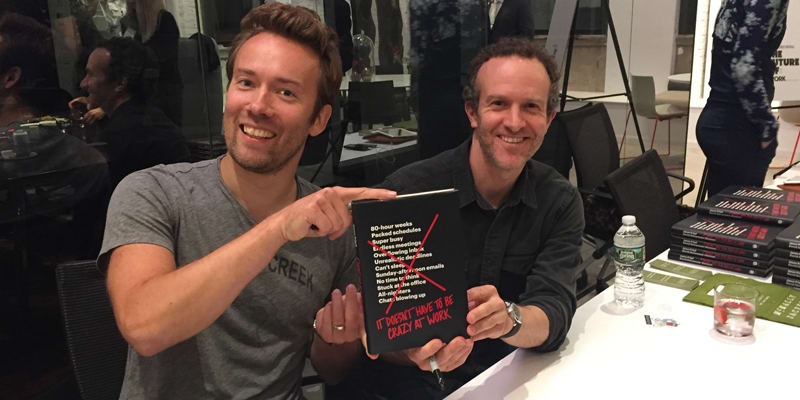
Every ‘No’ Was a ‘Yes’ to Something Better
Basecamp’s most powerful features are the ones they refuse to build. Each “no” was a strategic choice that reinforced their brand and strengthened their moat.
- No to Feature Bloat: They famously reject endless user requests for more features. Their ‘no’ was a ‘yes’ to a product that is fast, intuitive, and easy to learn. While competitors became more complex, Basecamp remained the simple, clear choice.
- No to the Hustle Culture: Fried and Hansson are vocal critics of the startup world’s obsession with burnout. They champion 40-hour workweeks and asynchronous communication. Their ‘no’ to hustle was a ‘yes’ to sustainable creativity and a team that does focused, high-quality work.
- No to Venture Capital: Basecamp has been profitable from its early days and has never taken institutional venture capital. Their ‘no’ to VCs was a ‘yes’ to freedom. Freedom from growth targets, board meetings, and the pressure to build a product for a quick “exit” instead of for their actual customers.

The Results of a Disciplined ‘No’
By refusing to play the game, Basecamp won on its own terms.
- Profitability: A multi-million dollar, fiercely independent business with no outside investors to answer to.
- Loyalty: A dedicated user base that chooses Basecamp precisely because of what it doesn’t do.
- Influence: They became the philosophical godfathers of the “calm company” and bootstrap movements.
Their clarity became their moat.
Founder Lessons from the Masters of Subtraction
- Every ‘Yes’ to a Feature is a ‘No’ to Simplicity. Before you build, calculate the long-term cost of complexity that your team and customers will incur.
- You Don’t Win by Being a Swiss Army Knife; You Win by Being a Scalpel. Trying to be everything to everyone makes you nothing special to anyone. A sharp, focused product wins the customers who matter.
- A Frantic Culture Can’t Build Calm Software. Your product is a direct reflection of the culture that builds it. If you want users to feel focused and in control, your team needs to be.
Final Word
The question Basecamp forces every founder to answer is this: Are you building a product, or are you solving a problem?
The former leads to bloat. The latter leads to clarity.
In a world obsessed with more, Basecamp is a powerful reminder that sometimes, the most strategic move is to do less.
For more product and culture case studies, subscribe to Business Runway.

Tumisang Bogwasi
Tumisang Bogwasi is an award-winning entrepreneur and strategist sharing insights on business growth, leadership, and innovation.