Patagonia’s Power of No – Growth by Subtraction

In business, we’re taught to say yes. Yes to growth. Yes to expansion. Yes to opportunity.
But Patagonia became an iconic brand by saying no.
A Founder’s Philosophy
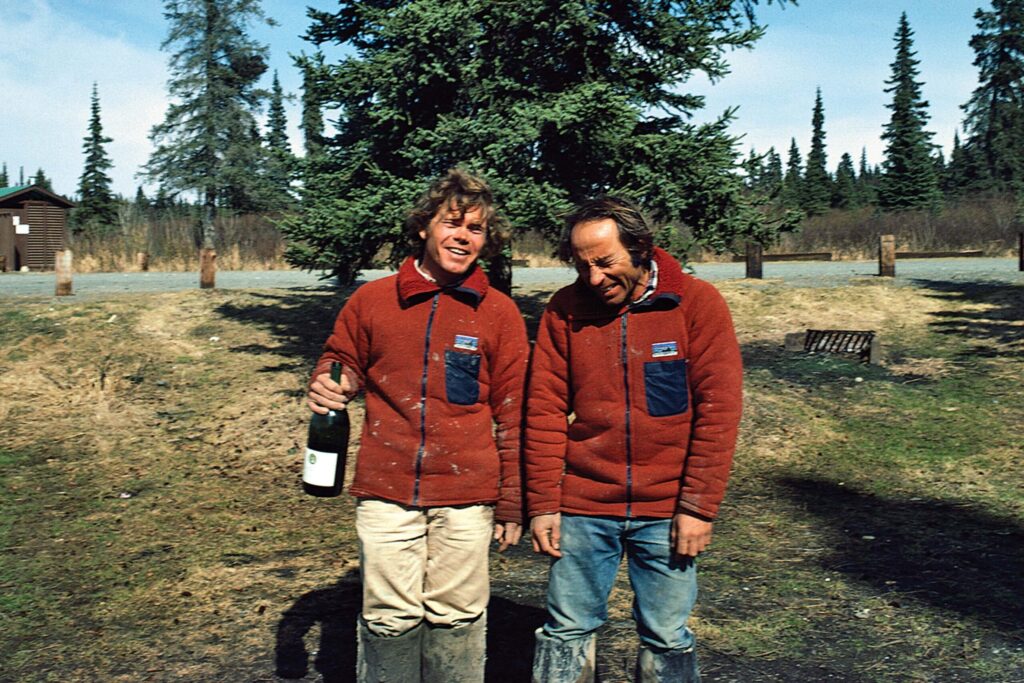
Yvon Chouinard, Patagonia’s founder, never wanted to build just another apparel company. He wanted to build a company that reflected his values as a climber and environmentalist.
That meant:
- No to fast fashion
- No to endless product cycles
- No to short-term profits at the expense of the planet
This wasn’t positioning. It was conviction.
The Strategic Nos That Built a Moat
- No to Overproduction
Patagonia limits SKUs and invests in durable, repairable products. Fewer items, but higher loyalty. - No to Traditional Advertising
Instead of glossy campaigns, Patagonia invested in activism and authenticity. Their infamous “Don’t Buy This Jacket” ad was a rejection of consumerism, and yet, sales grew. - No to Traditional Ownership
In 2022, Chouinard gave away the company, transferring ownership to a trust and nonprofit designed to ensure Patagonia’s profits protect the planet.
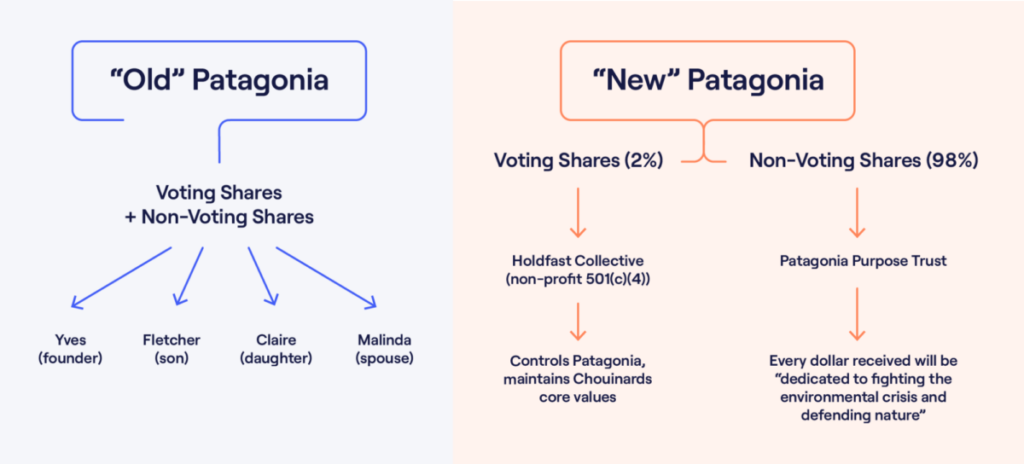
Each “no” became a moat. A differentiator. A reason customers trusted Patagonia more than its competitors.
Growth by Subtraction
While competitors flooded shelves with seasonal lines, Patagonia built scarcity, clarity, and loyalty.
- Estimated revenue: $1.5 billion annually
- Brand equity: priceless in the outdoor market
- Positioning: the gold standard for values-led companies
Patagonia proved that subtraction can be strategy. That in a world addicted to more, less can lead to more impact.
Lessons for Founders
- Values aren’t slogans, they’re filters. Use them to decide what not to do.
- Constraints create clarity. Saying no can sharpen your focus and your offering.
- Moats aren’t always built by addition. Sometimes, restraint is the deepest moat.

Final Word
Patagonia didn’t grow by chasing every opportunity. It grew by protecting its soul.
The lesson? Sometimes the most powerful growth strategy isn’t addition. It’s subtraction.
For more values-driven strategy insights, subscribe to Business Runway.

Tumisang Bogwasi
Tumisang Bogwasi is an award-winning entrepreneur and strategist sharing insights on business growth, leadership, and innovation.