Perplexity: The Startup Declaring War on Blue Links

For twenty years, one company has been the undisputed king of the internet’s front door: Google.
Its empire wasn’t just built on a better algorithm; it was built on a simple, unbreakable business model. More questions led to more blue links. More blue links led to more clicks. And more clicks led to a trillion-dollar advertising machine.
The model was perfect. Unbeatable.
Until a small startup decided to stop fighting the algorithm and start a war against the blue links themselves.
Founded in 2022 by Aravind Srinivas (a former OpenAI researcher), Denis Yarats, Johnny Ho, and Andy Konwinski, Perplexity set out to rethink search from the ground up, built on trust, speed, and transparency.
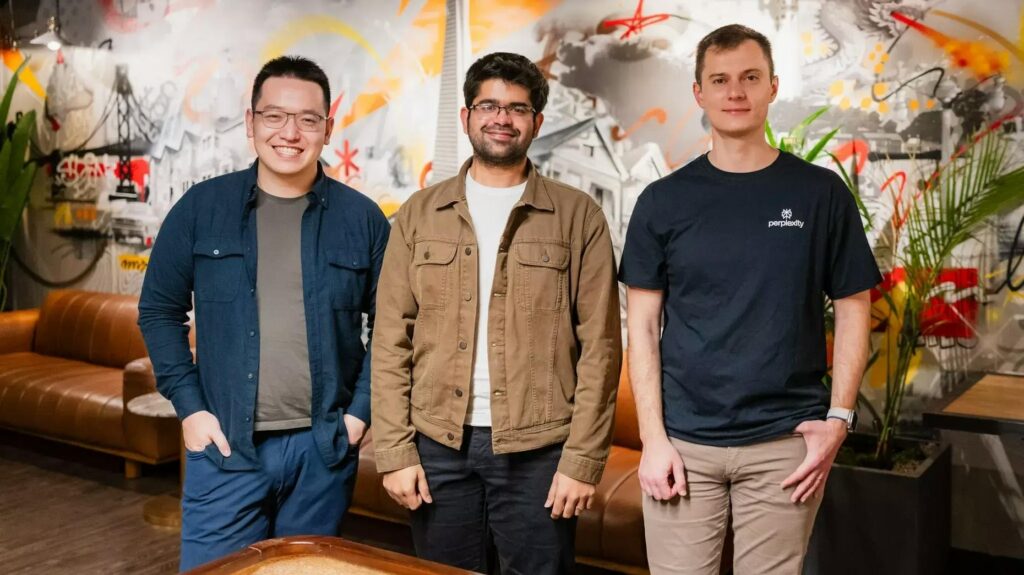
The company has since raised over $250 million in funding from investors, including IVP, Nvidia, and NEA. As of mid-2025, it is valued at approximately $20 billion.
That startup is Perplexity, and it represents the first credible existential threat to Google’s search dominance in a generation.
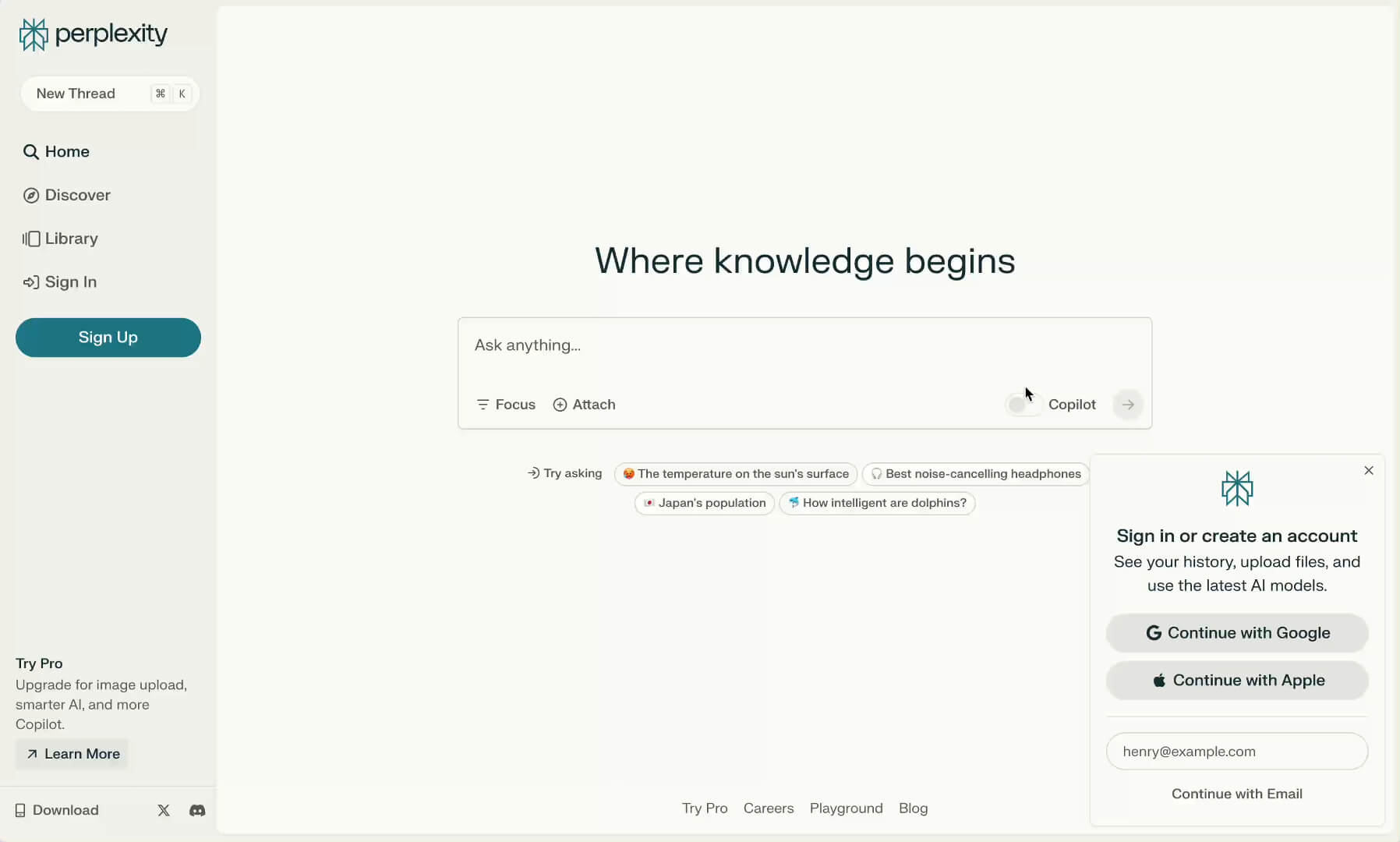
This isn’t just a story about a new search engine. It’s a story about a startup weaponizing a paradigm shift to attack an incumbent’s greatest strength.
The Old Kingdom vs. The New Playbook
Google mastered the art of being a librarian. You ask a question, and it gives you a flawless card catalog of ten blue links. It’s your job to go read the books.
Perplexity’s approach is radically different. It acts as a research assistant. You ask a question, and it reads all the books for you, then hands you a single, synthesized answer with footnotes.

Google’s Model: The Link Engine. Success is measured in clicks.
Perplexity’s Model: The Answer Engine. Success is measured in clarity and speed.
This isn’t just a better user experience. It’s a direct assault on the economic foundation of Google’s empire.
The Innovator’s Dilemma: Google’s Golden Handcuffs
Here is the strategic genius of Perplexity’s attack.
Google’s $200+ billion advertising business depends on you clicking those blue links. Every time a user stays on the search results page, Google makes money.
An answer engine, by its very nature, is designed to eliminate the click.
This is Google’s Achilles’ heel. They are financially disincentivized from creating a perfect answer engine, because it would cannibalize their own cash cow.
They can build a “good enough” AI summary at the top of the page, but they can’t fully commit to a world without blue links.
Perplexity has no such conflict. They are free to build the best possible user experience, unburdened by the need to protect an advertising empire. They are using Google’s own business model as a weapon against it.
Founder Lessons from the AI Insurgency
- Attack the Business Model, Not Just the Product. Perplexity isn’t just trying to build a better search algorithm. It’s building a model that makes Google’s core business model obsolete.
- Weaponize Paradigm Shifts. The rise of LLMs was a once-in-a-generation earthquake that created cracks in even the biggest fortresses. Perplexity didn’t cause the earthquake, but they were the first to drive a truck through the opening.
- Find the Incumbent’s Golden Handcuffs. Identify what your biggest competitor is financially disincentivized from doing. What is the one move they can’t make without destroying their own profits? Build your entire company around that.
- A Superior User Experience is the Ultimate Asymmetric Weapon. You may not have the data, the distribution, or the capital of a giant. But if you can provide a 10x better, faster, and clearer experience, you have a fighting chance.
Final Word
The war for search is far from over. Google has infinite resources, the world’s best AI talent, and a default distribution that is second to none.
But for the first time in decades, the king looks vulnerable.
Perplexity’s story is the ultimate lesson for every founder dreaming of taking on a giant: don’t fight them on their terms. Change the game entirely. And the best way to do that is to build a product so good that it makes their business model look like a relic.

For more deep dives into the strategies of industry challengers, subscribe to Business Runway.

Tumisang Bogwasi
Tumisang Bogwasi is an award-winning entrepreneur and strategist sharing insights on business growth, leadership, and innovation.