Shield AI: The Jet That Thinks for Itself

For decades, fighter jets have relied on human pilots to navigate contested airspace. But as modern warfare evolves toward autonomy, one American defense startup is redefining what air dominance looks like.
Meet Shield AI, the company behind X-BAT, an AI-piloted VTOL (Vertical Takeoff and Landing) fighter jet designed for missions where human pilots can’t or shouldn’t go.
This isn’t a concept sketch. It’s real. And it’s flying.
From Drones to Dogfights
Founded in 2015 by Brandon Tseng, Ryan Tseng, and Andrew Reiter, Shield AI began with a simple but urgent mission: to protect service members with intelligent autonomous systems.
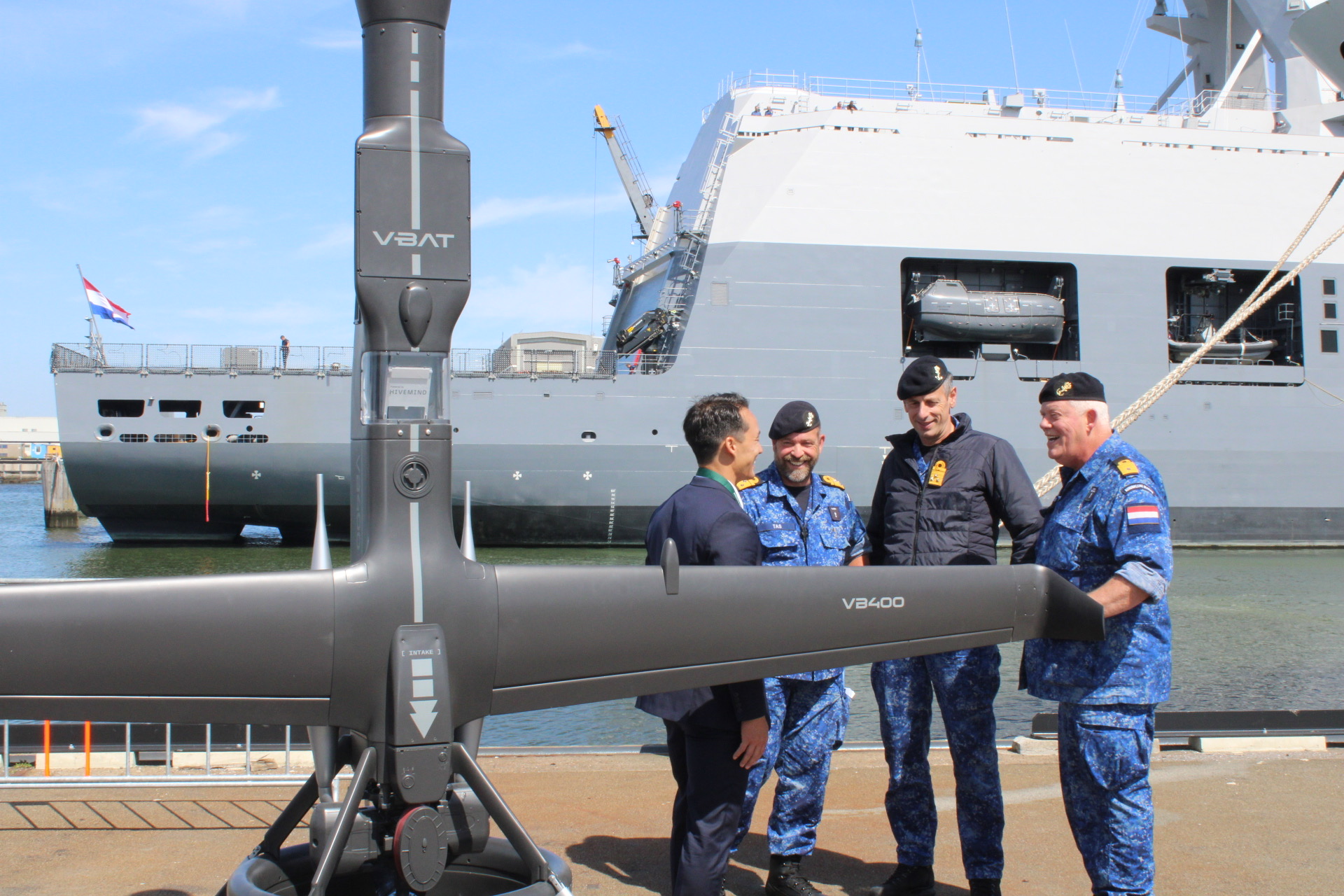
The company first made waves with V-BAT, a hybrid drone capable of vertical takeoff and fixed-wing flight, already deployed with U.S. and allied forces. But their latest reveal: X-BAT, unveiled in October 2025, takes that mission to the next level.

X-BAT isn’t just a drone. It’s an AI pilot with wings, capable of independent tactical decision-making, target identification, and aerial maneuvers once reserved for human fighter pilots.
“We’re building autonomy that wins air wars,” says co-founder Brandon Tseng.
The Brain of the Jet: Hivemind AI
At the core of Shield AI’s ecosystem lies Hivemind, its proprietary autonomy stack, a self-learning AI pilot that doesn’t require GPS, remote control, or pre-scripted instructions.
Hivemind allows the X-BAT to:
- Fly in contested or GPS-denied environments
- Coordinate with other autonomous aircraft in real time
- Make complex tactical decisions independently
- Learn from every mission, continuously improving over time
This technology effectively turns every aircraft into a self-flying, self-learning combat system — a monumental leap from today’s drone networks.
The Speed of Innovation
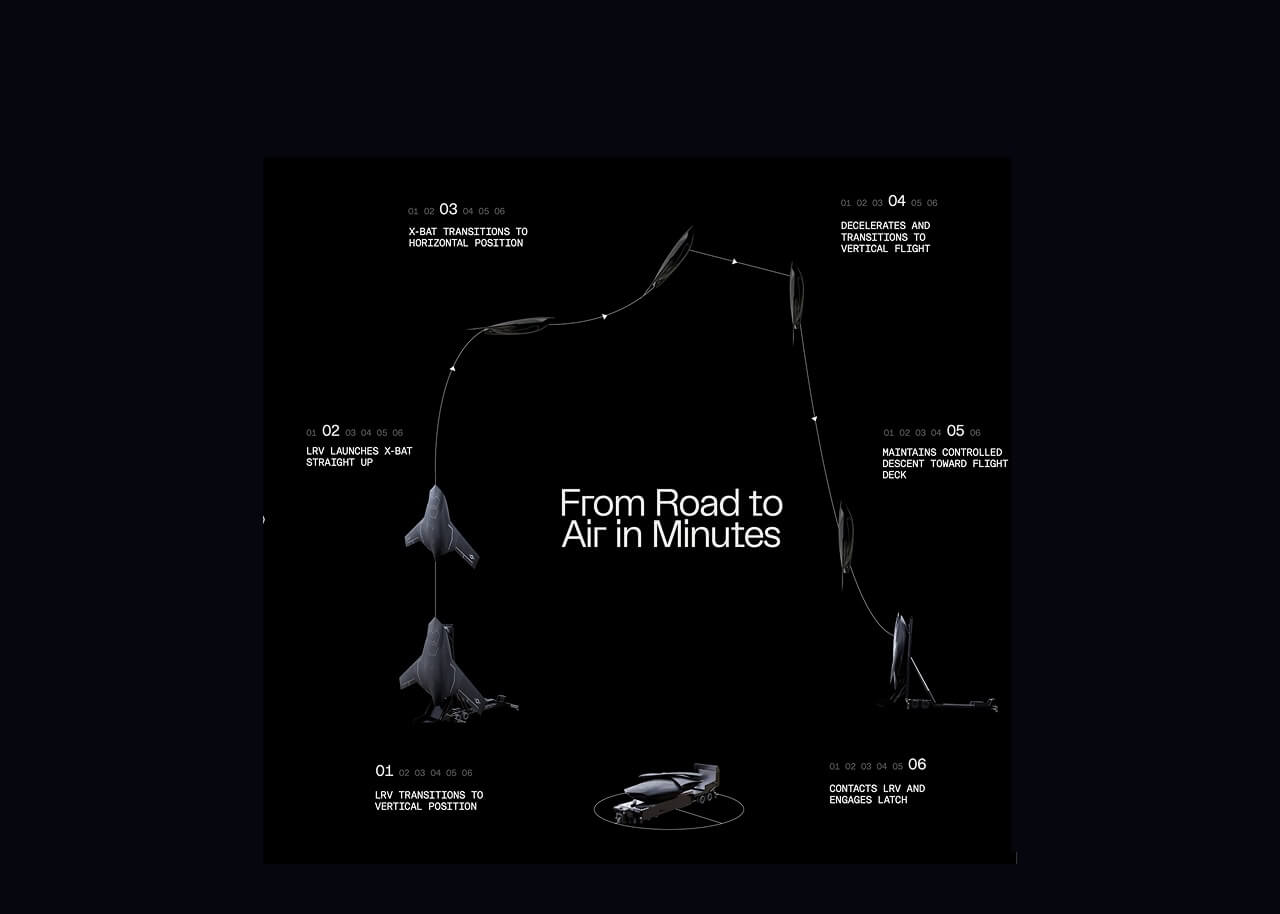
While legacy defense programs take decades to iterate, Shield AI moves like a startup. The X-BAT was designed, modeled, and tested in under two years, leveraging advanced simulation, digital twin environments, and AI-assisted development.
Their model mirrors the agility of Anduril, another Business Runway alum: build fast, test faster, and deploy where legacy systems can’t.
The result? A fighter jet that can operate autonomously, launch vertically, and perform tactical missions without risking human pilots — all at a fraction of traditional R&D timelines and cost.
Strategic Implications
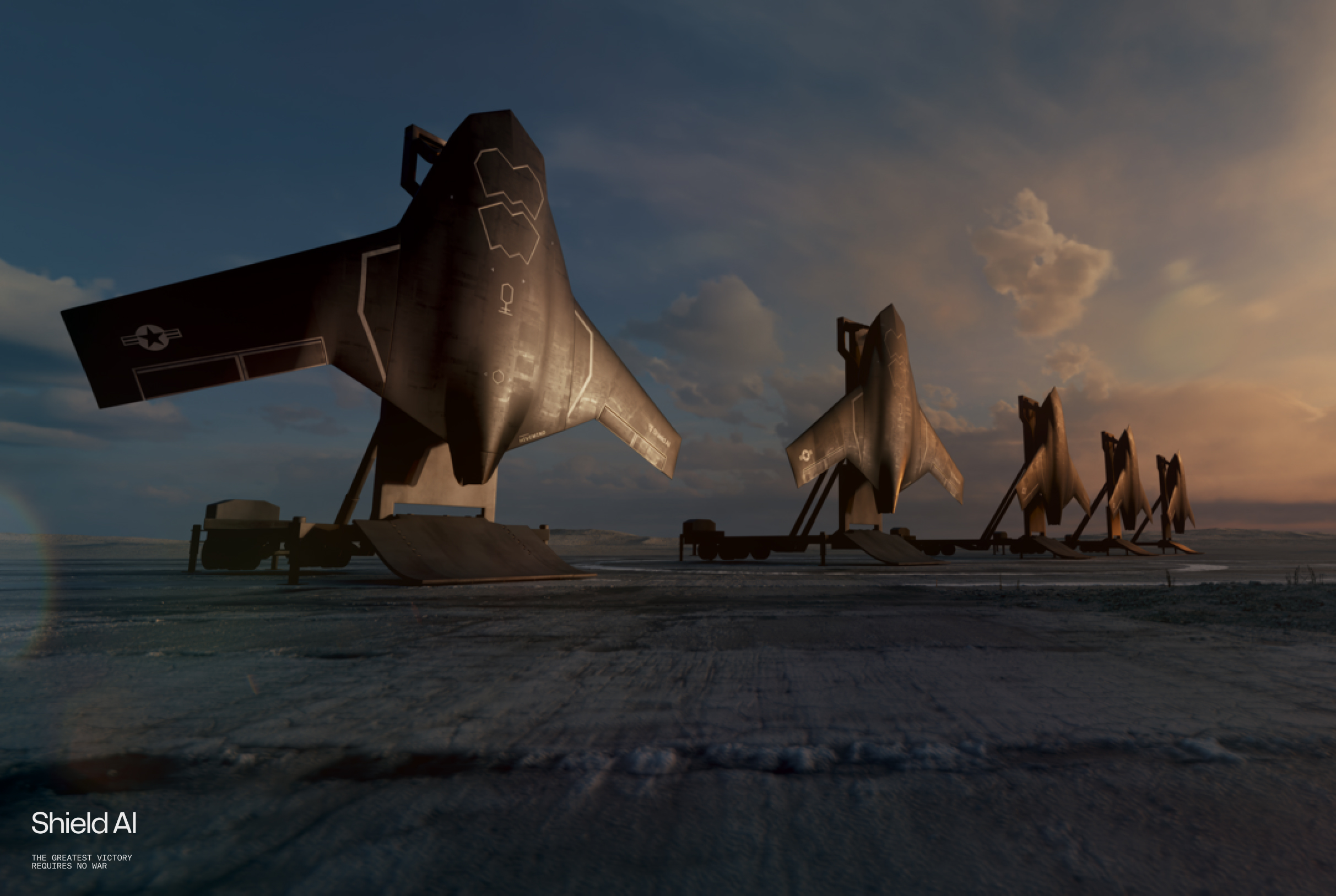
X-BAT represents more than a new aircraft. It’s a glimpse into the future of AI-powered air combat, one where nations compete not by how many jets they build, but by how smart those jets can think.
Shield AI’s approach could redefine power projection:
- Autonomy as deterrence – replacing quantity with intelligence.
- AI as force multiplier – reducing pilot training costs and increasing mission readiness.
- Speed as security – rapid iteration as the new defense advantage.
It’s the same pattern emerging across defense tech: software is eating warfare.
Founder Lessons from the Sky
- Autonomy Is the New Frontier. The next revolution in defense won’t be hardware; it’ll be AI that outthinks the enemy.
- Speed Wins Wars. Build, test, and iterate faster than the system expects.
- Purpose Outlasts Product. Shield AI’s mission, protecting lives through autonomy, gives it a cultural and moral edge over pure contractors.
- Ecosystems Beat Equipment. The real moat isn’t the jet; it’s Hivemind, a scalable AI pilot that can power an entire fleet.
Final Word
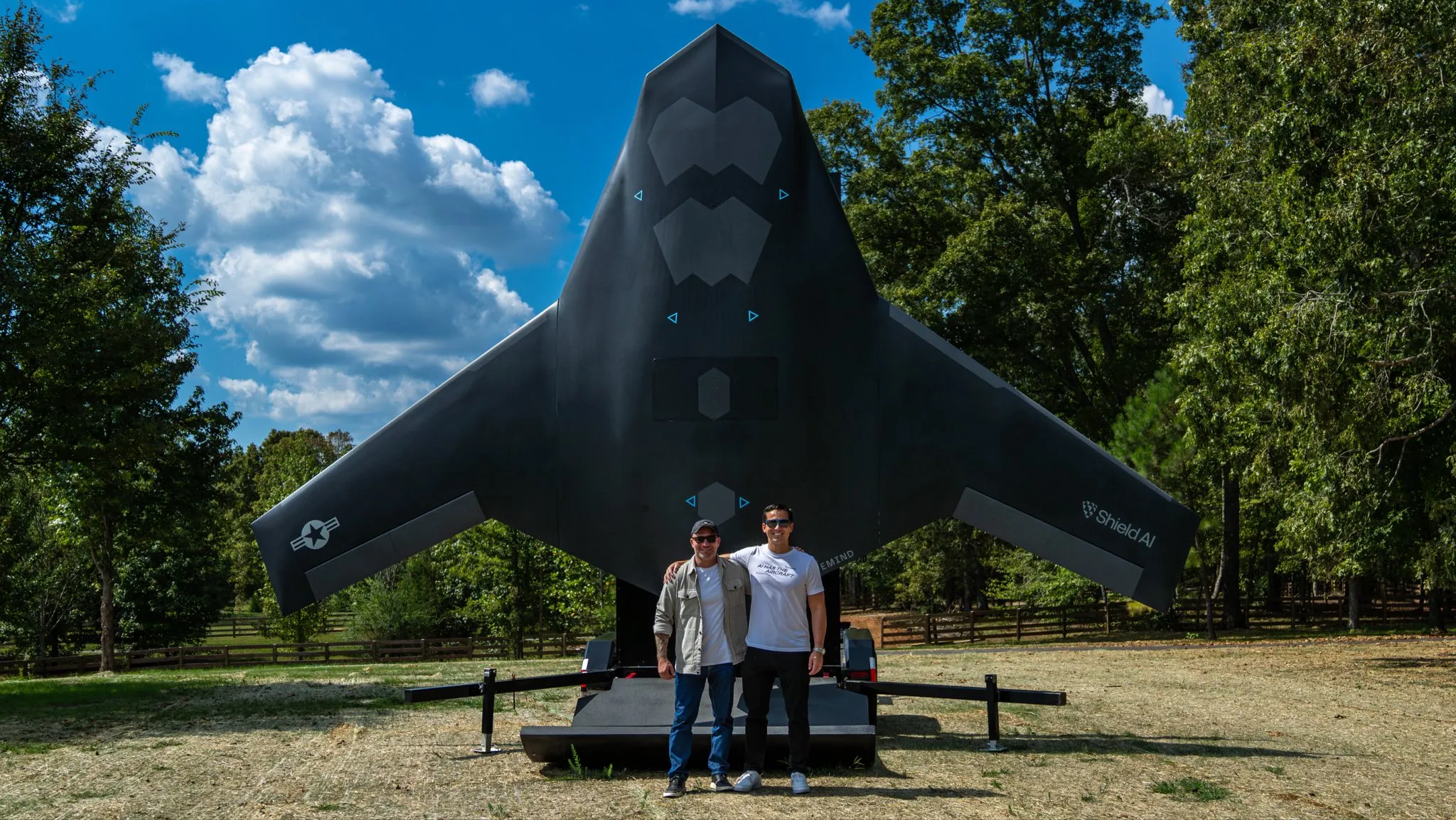
Shield AI’s X-BAT isn’t just another aircraft; it’s a paradigm shift.
It signals a future where AI doesn’t just assist pilots; it is the pilot. A world where dogfights are decided not by reflexes, but by algorithms.
And in that world, the fastest learner wins.
For more stories on founders transforming the future of defense and autonomy, subscribe to Business Runway.

Tumisang Bogwasi
Tumisang Bogwasi is an award-winning entrepreneur and strategist sharing insights on business growth, leadership, and innovation.