Nike x Zellerfeld Air Max 1000AM 1000: The Next Frontier of Nike Innovation
Our last analysis argued that Nike’s $350Bn moat is its operational machine (Toyota Production System). We predicted their next move would be “Shoe-as-a-Service.”
That future just arrived faster than expected.
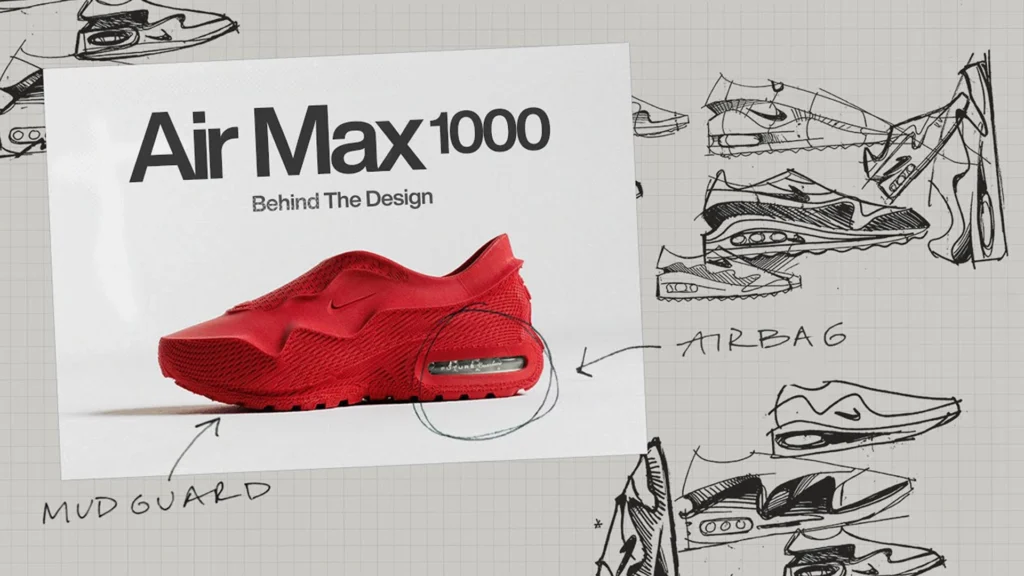
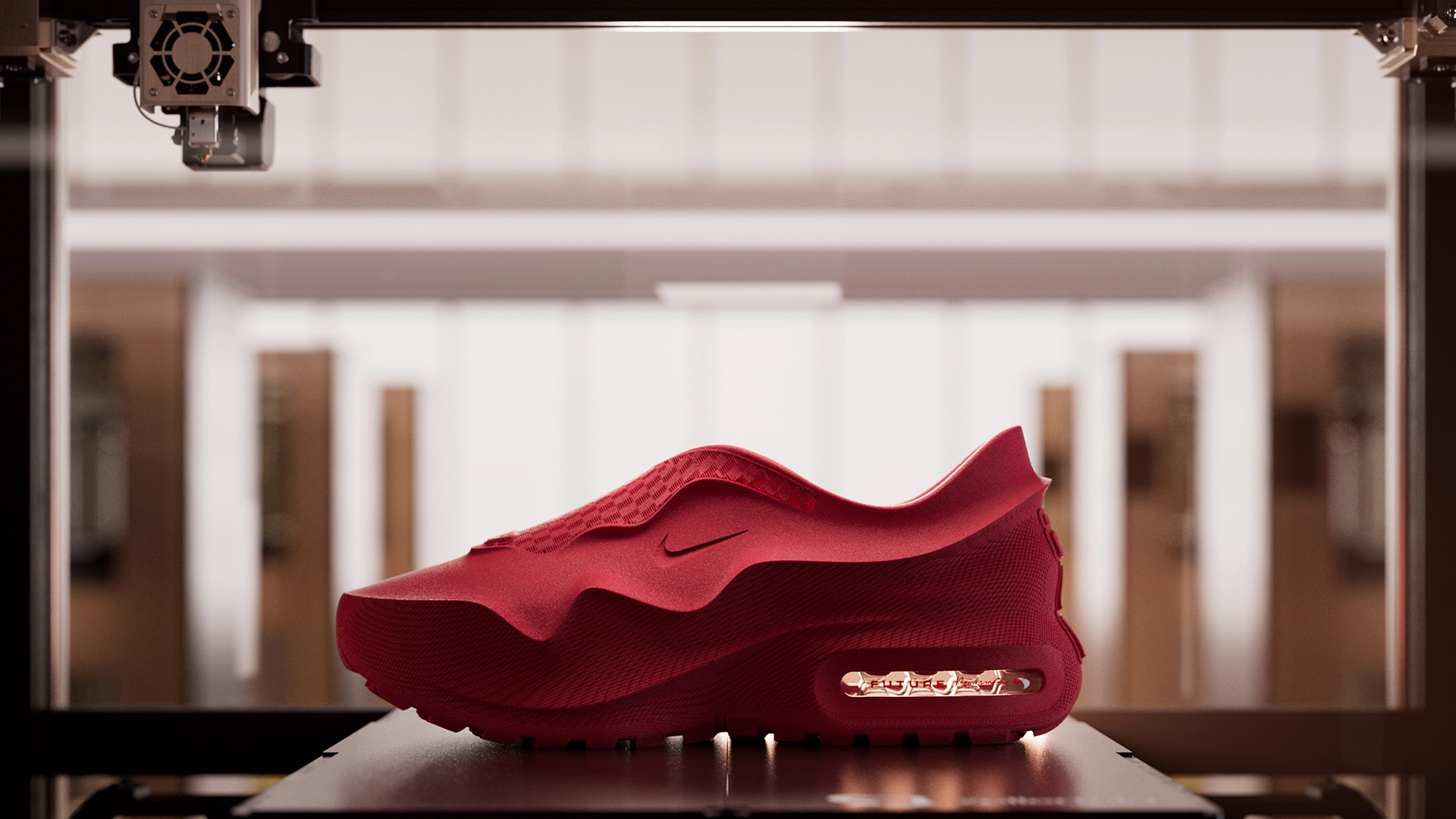
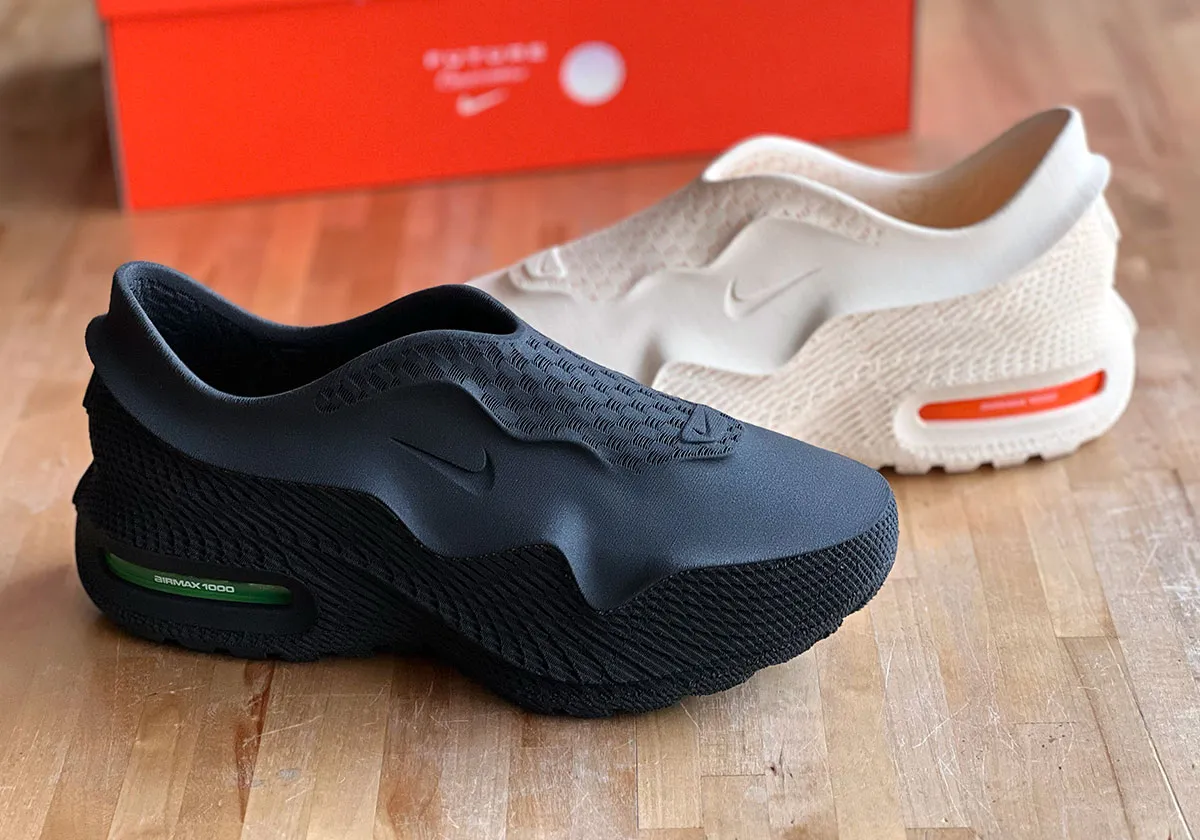
Nike has officially launched the Air Max 1000, a fully 3D-printed reimagining of the 1987 icon, manufactured in collaboration with Zellerfeld.
While the initial drop is a transactional, standard-sized product ($179), do not mistake this for a simple sneaker release. This is a strategic pilot. Nike is validating the manufacturing rails (Zellerfeld) that will eventually allow them to switch from selling units to selling subscriptions.
The Air Max 1000 is the “Model T” of the 3D-printed era.
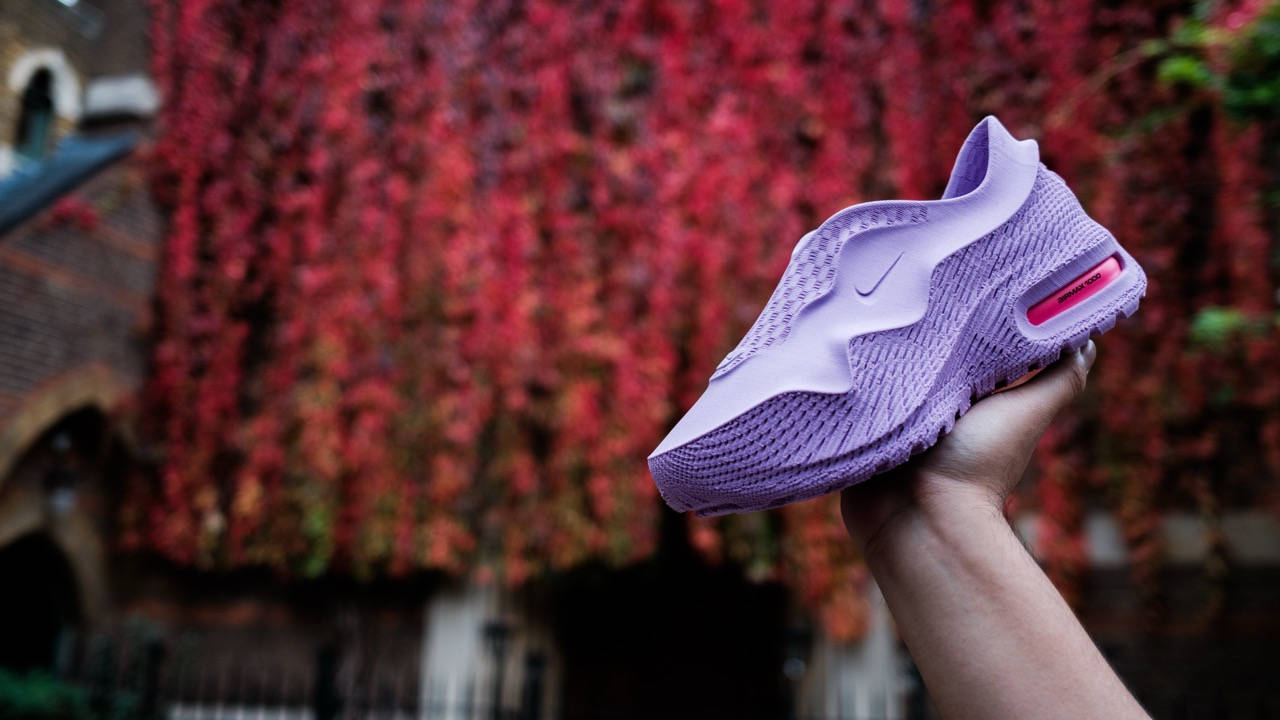
This isn’t just the next iteration of “Air”; this is the first “shoe-as-a-service,” a biometrically-generated, on-demand, and fully circular platform. It is the final expression of the Toyota model, where the “lot size” is one.
Highlights: The “MVP” of the Future Supply Chain
- The Zellerfeld Platform: Nike isn’t building the printers yet; they are leveraging Zellerfeld’s “server farm for shoes.” This allows Nike to test additive manufacturing at scale without CAPEX risk.
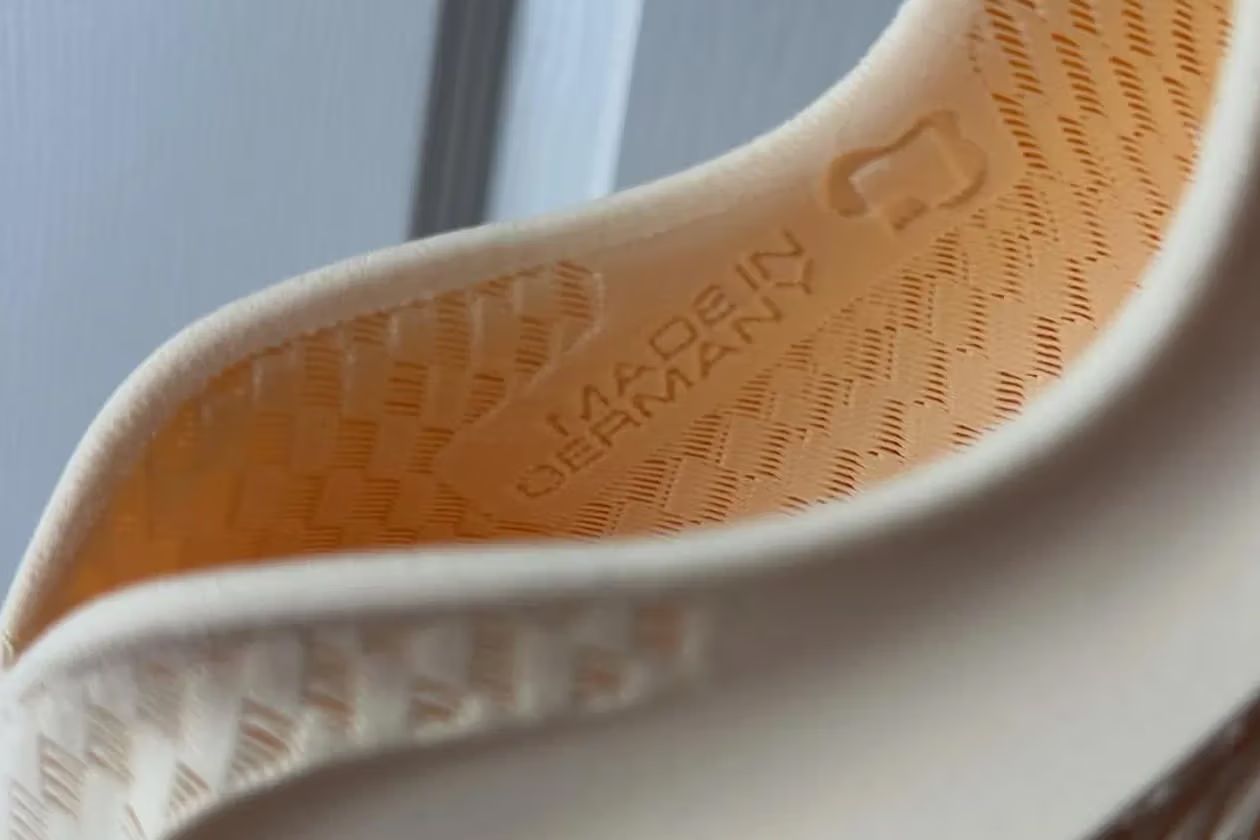
- From “Cut & Sew” to “Print & Wear”: The shoe is made of a single material (TPU). It has zero glue, zero stitching, and is fully recyclable. This is the ultimate victory over Muda (waste).
- The “Standard Size” Trojan Horse: The current launch uses standard sizes to reduce friction, but Zellerfeld’s core tech is built for custom-fit scanning. This drop validates the material; the next drop will validate the fit.
- The Circular Loop: Because the shoe is mono-material, it solves the recycling nightmare. Old shoes can be ground down and re-printed. This closes the loop for a future subscription model.
The Evolution: From Product Drop to Platform Lock-in
The Air Max 1000 launch proves the technology is ready. Here is the roadmap from this “Beta” launch to the full “Shoe-as-a-Service” model:
Phase 1: The “Hype” Drop (Current State)
- Model: Transactional ($179).
- Sizing: Standard (US Men’s).
- Goal: Validate consumer acceptance of 3D-printed aesthetics and durability. Prove that Zellerfeld’s “printers-as-a-service” can handle Nike-level demand spikes.
Phase 2: The “Custom” Drop (Next 12-18 Months)
- Model: Made-to-Order.
- Sizing: Biometric Scan (via Zellerfeld/Nike App).
- Goal: Activate the “Genchi Genbutsu” data loop. Use smartphone scanning to capture millions of foot morphologies, training the AI to design the perfect lattice structure.
Phase 3: The “Subscription” Pivot (Endgame)
- Model: Recurring Revenue ($40/mo).
- Sizing: Dynamic (Evolving with your gait data).
Goal: LTV maximization. Once the user is used to a custom-printed fit that improves with every “version,” they cannot go back to off-the-rack Adidas.
The New Economics: Why Zellerfeld Matters
Partnering with Zellerfeld is a brilliant “Asset-Light” strategy for Nike.
- Zero Inventory Risk: Zellerfeld prints after the order. Nike holds no finished goods stock.
- Zero Retooling Cost: Changing a design doesn’t require new steel molds (which cost thousands and take weeks). It just requires a new file upload.
- The “SaaS” Margin: If Nike can move this to a subscription, they trade a low-frequency transaction (once every 18 months) for a high-frequency relationship (monthly recurring revenue).
The BWR Take
The Air Max 1000 is not just a cool shoe. It is a supply chain proof-of-concept.
Nike is proving that it can decentralize manufacturing and eliminate assembly labor. Today, it’s a limited drop. Tomorrow, it’s a printer in every major city, printing shoes on-demand, tailored to your feet, for a monthly fee. The revolution isn’t “Air.” It’s Algorithms.

Tumisang Bogwasi
Tumisang Bogwasi is an award-winning entrepreneur and strategist sharing insights on business growth, leadership, and innovation.