The Sovereign Moat: Why Aliko Dangote Built the World’s Largest Refinery
While Silicon Valley fights over “Tokens” and AI parameters, the rest of the world fights over Molecules.
You cannot eat software. You cannot power a data center with an algorithm. And you cannot build a nation on code alone.
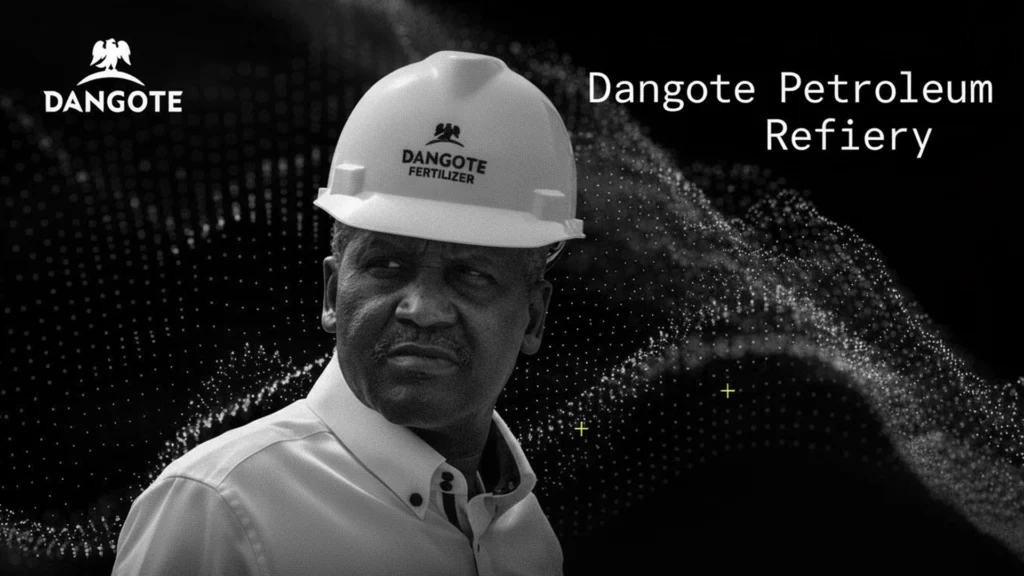
The most significant “Hard Asset” project of the decade isn’t a chip factory in Taiwan or a server farm in Virginia. It is The Dangote Refinery in Nigeria.
Aliko Dangote, Africa’s richest man, spent over $20 billion and ten years to build the world’s largest single-train refinery.
Why? The answer isn’t just about oil. It is a masterclass in Vertical Integration and Supply Chain Sovereignty.
The Paradox: Resource Rich, Value Poor
For decades, many resource-rich nations lived a cruel economic paradox: They were top producers of raw materials, yet imported nearly all their finished goods.
In the case of oil, they sold Crude (low value) and bought back Fuel (high value). They were shipping their wealth away and importing inflation.
Economists call this “Comparative Advantage.” They argued it was cheaper to import fuel than to build a complex domestic refinery.
Dangote called it a trap.
He realized that relying on global supply chains for your most critical input (energy) is not a strategy, it is a vulnerability.
The Strategy: The Sovereign Moat
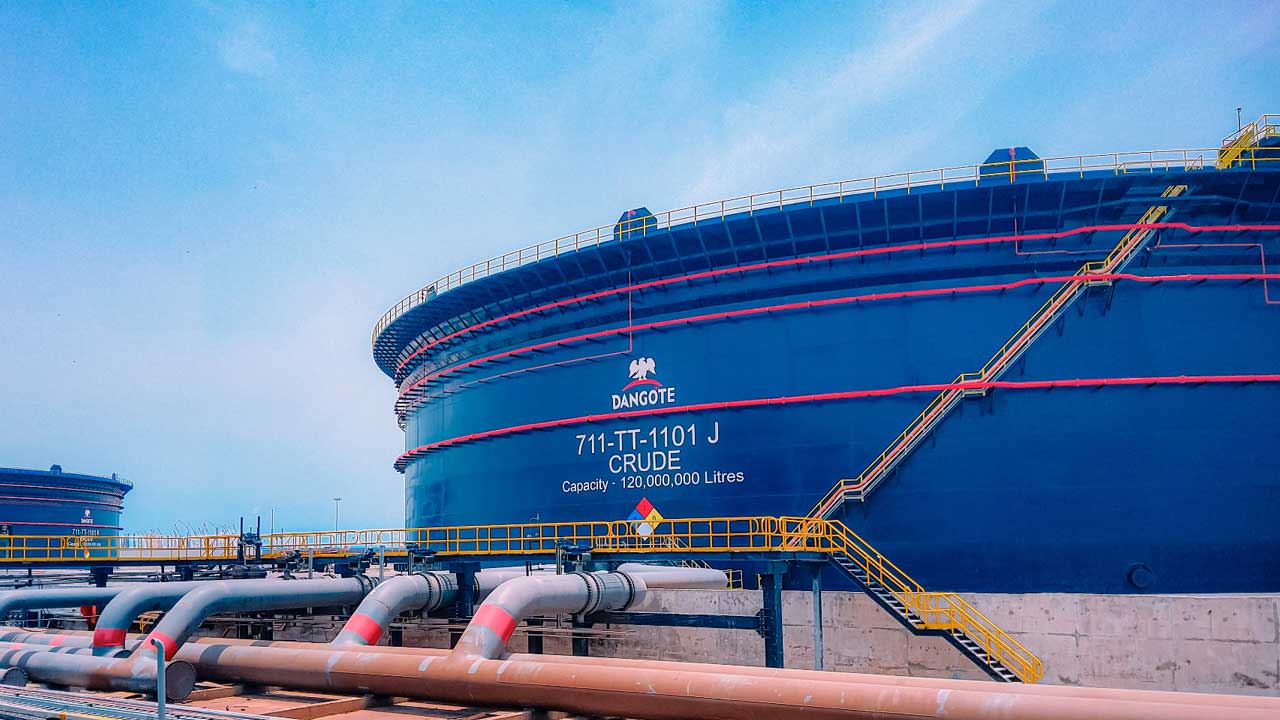
The Dangote Refinery (650,000 barrels per day) isn’t just a factory. It is a Sovereign Moat.
- Vertical Integration: By refining local crude, Dangote captures the entire value chain. He eliminates the shipping costs, the foreign refining margins, and the currency risk.
- Currency Defense: By producing locally, the refinery saves the country billions in foreign exchange reserves that were previously burned on imports.
- The “Kill Switch”: When you control the fuel, you control the economy. Dangote has moved from being a participant in the market to being the Infrastructure of the Market.
The “Bits to Atoms” Shift
This project signals a massive shift in global business strategy: The Return to Industrial Reality.
For the last 15 years, investors chased SaaS companies with 90% margins. But SaaS is fragile. “Hard Assets” like refineries, factories, and power plants are messy, expensive, and slow. But they are Robust.
In a world of geopolitical chaos (defined by trade wars, sanctions, and shipping blockades) the company that owns the Physical Supply Chain wins.
The BWR Take
Software eats the world, but Hardware runs the world.
Aliko Dangote didn’t build a refinery because it was “easy.” He built it because it was necessary.
The lesson for leaders is clear: Look at your supply chain. What critical input are you “importing” or outsourcing? If that global supply chain breaks, does your business die?
If the answer is yes, you are vulnerable. You need a Sovereign Moat.

Tumisang Bogwasi
Tumisang Bogwasi is an award-winning entrepreneur and strategist sharing insights on business growth, leadership, and innovation.