Why Ferrari Refuses to Sell You a Car

In the modern business playbook, the ultimate goal is Scale. Software companies want infinite users. Consumer brands want their products on every shelf in the world. The logic is simple: More volume equals more revenue.
Then there is Ferrari.
Ferrari operates on a completely different plane of business physics. If a tech company’s goal is to acquire every customer on earth, Ferrari’s goal is to actively reject as many wealthy customers as possible.
They have mastered the Scarcity Moat.
The N-1 Rule
The foundation of Ferrari’s multi-billion dollar empire rests on a single quote from its founder, Enzo Ferrari:
“Ferrari will always produce one less car than the market demands.”
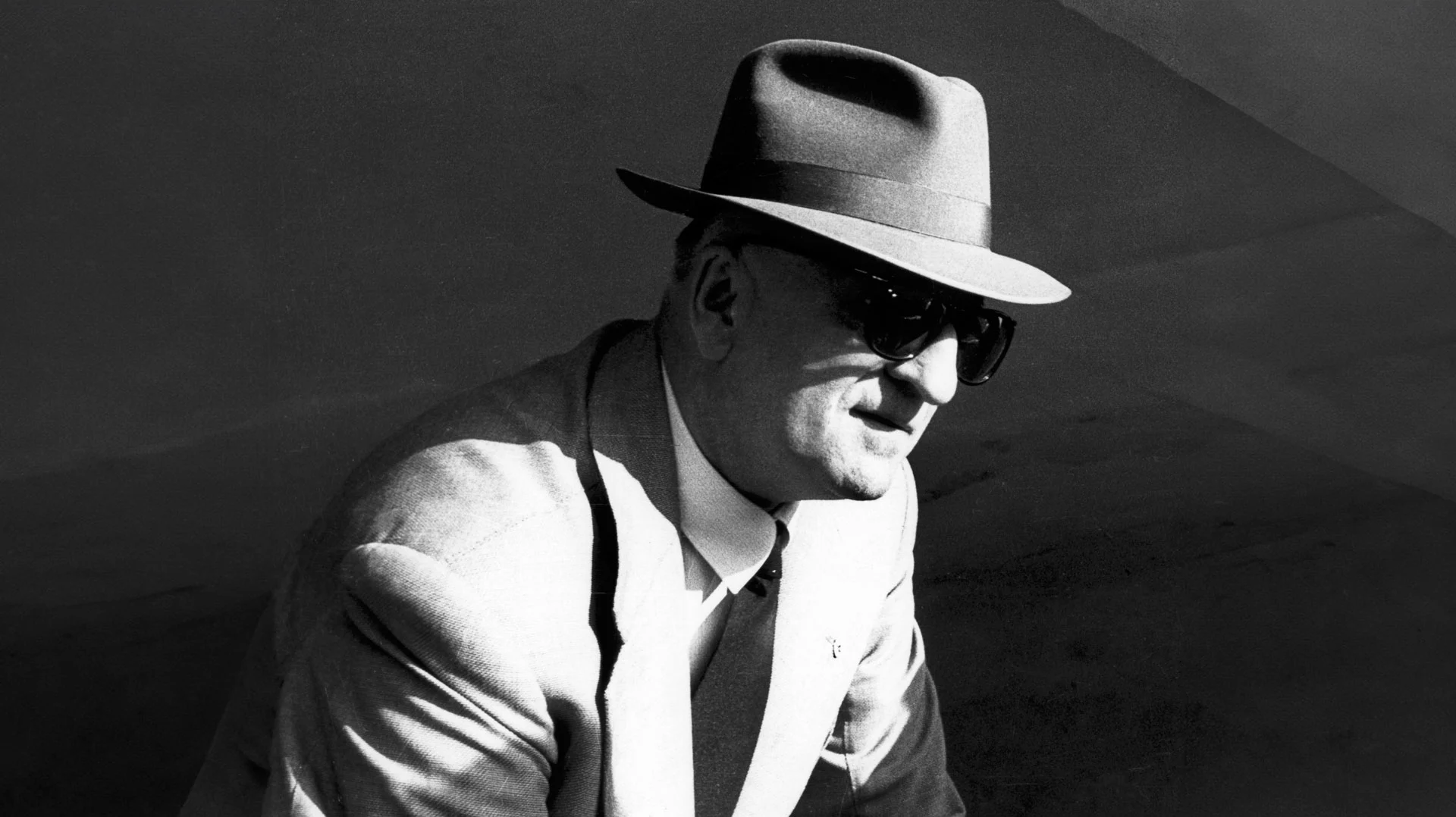
Economists call this artificial scarcity. In the Business War Room, we call it the N-1 Rule.
If 10,000 people have the cash to buy a Ferrari this year, Ferrari will only build 9,999. That single missing car creates a psychological frenzy. It shifts the power dynamic entirely from the buyer to the seller.
You do not simply walk into a dealership with $500,000 and buy a limited-edition Ferrari. You have to be “invited” to buy one. You have to prove your loyalty by buying their standard models first.
Ferrari doesn’t have a customer acquisition cost; they have a customer initiation process.
The Veblen Effect
Why does this work? Because Ferrari is a Veblen Good. For normal products, if you raise the price, demand drops. For a Veblen Good, raising the price actually increases demand because the high price is the feature. It signals status.
If Ferrari doubled its production tomorrow, revenues would spike for one quarter. But the cars would become “common” in wealthy circles. The status symbol would shatter, and the brand equity would bleed out.
By restricting supply, Ferrari maintains pricing power so absolute that their profit margins resemble a software company (often exceeding 25%), despite being a heavy manufacturing business bending metal and tuning engines.
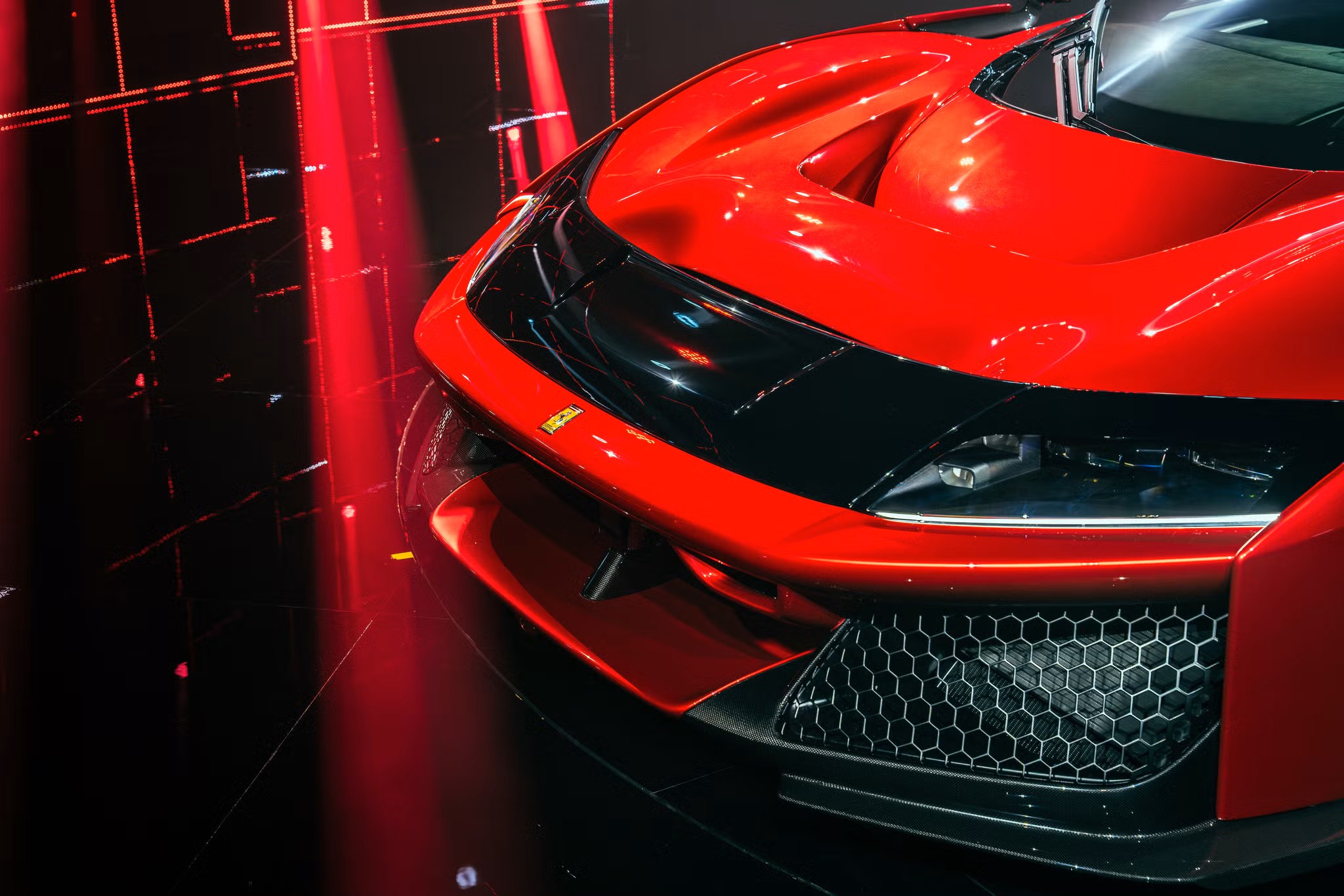
The Anti-Marketing Playbook
To protect this moat, Ferrari enforces ruthless brand control. They famously send Cease & Desist letters to their own customers (including celebrities like Deadmau5 and Justin Bieber) for modifying their cars with custom wraps or unauthorized badges.
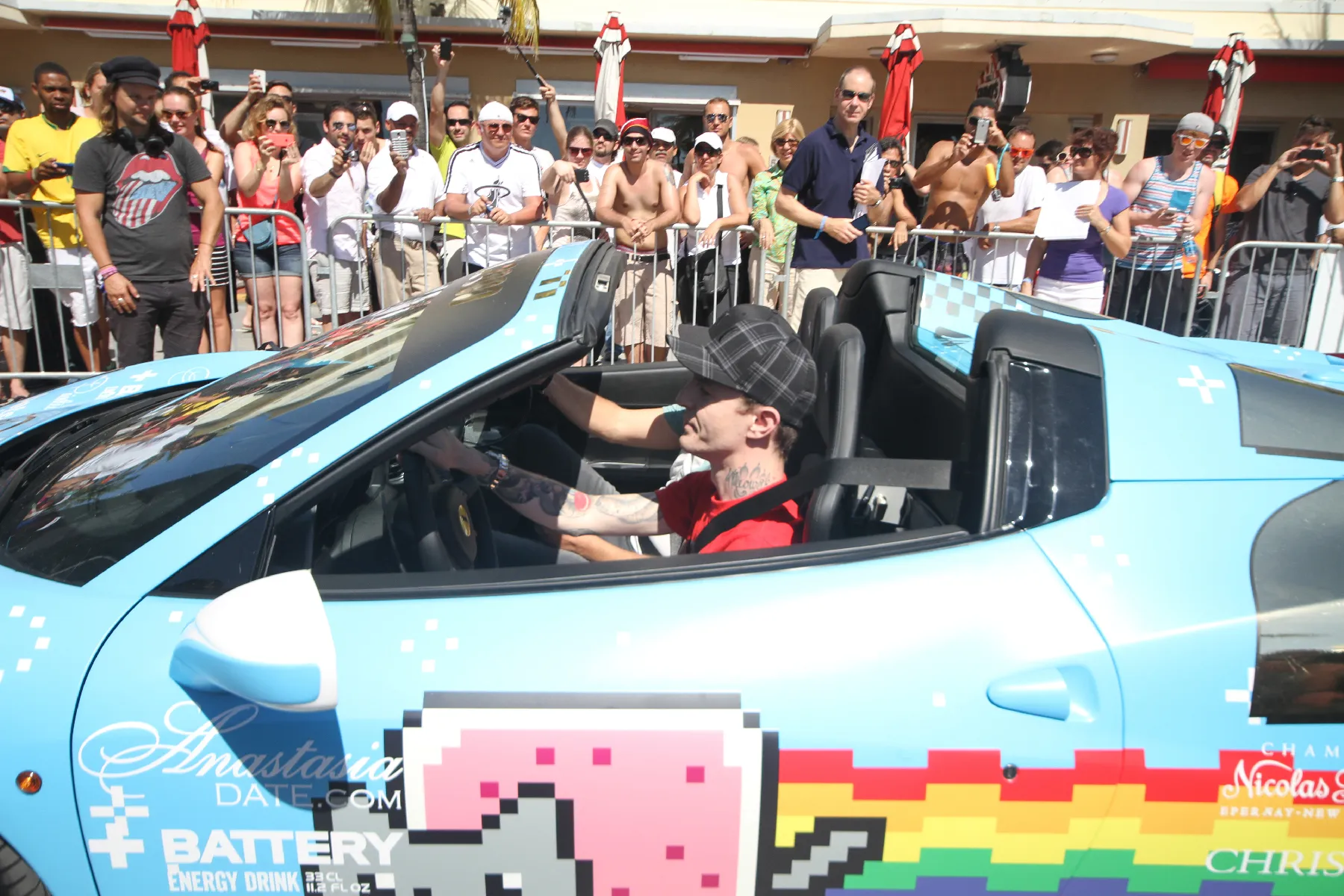
To the average consumer, suing your own customer sounds insane. To Ferrari, it is vital. The brand is the product. If a customer damages the prestige of the brand, they are blacklisted.
The BWR Take
We are obsessed with “Growth at all costs.” But growth can be a trap. If you make your product too accessible, you might destroy the very thing that made it valuable.
The lesson of Ferrari is that “No” is the most profitable word in business. True luxury, and true pricing power, is the ability to look a customer with a blank check in the eye and say, “You can’t have it.”

Tumisang Bogwasi
Tumisang Bogwasi is an award-winning entrepreneur and strategist sharing insights on business growth, leadership, and innovation.