The 4-Second Rule: How Starbucks Saved a $100B Empire by Making Coffee Boring Again
The 4-Second Rule: How Starbucks Saved a $100B Empire by Making Coffee Boring Again
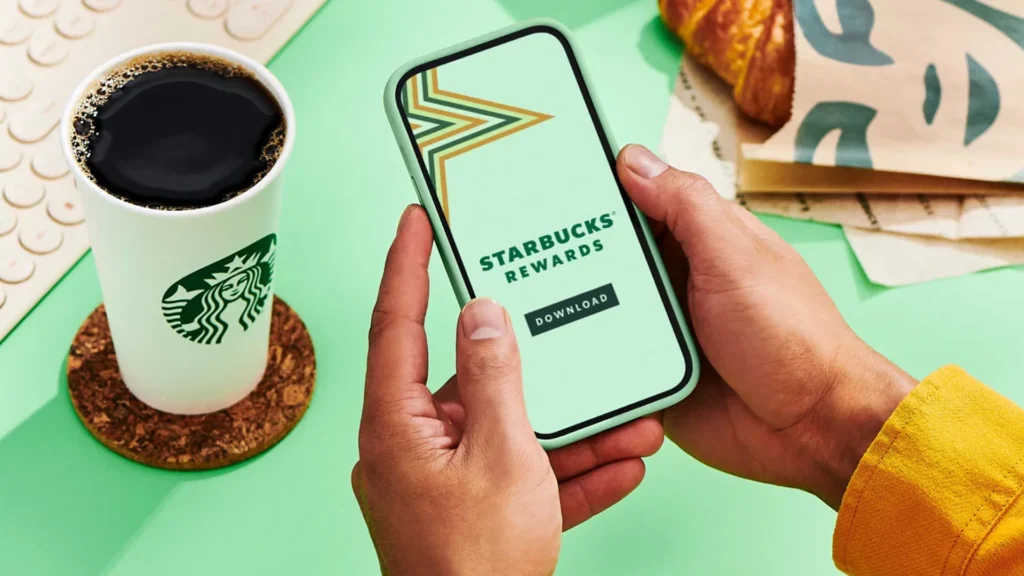
For years, Silicon Valley worshipped Starbucks as a “Tech Company that happens to sell coffee.”
Their Mobile Order & Pay app was a masterpiece of digital engineering. Their rewards program was a masterclass in gamification. Wall Street applauded their “Digital Flywheel.”
There was just one massive problem: The app was killing the physical stores.
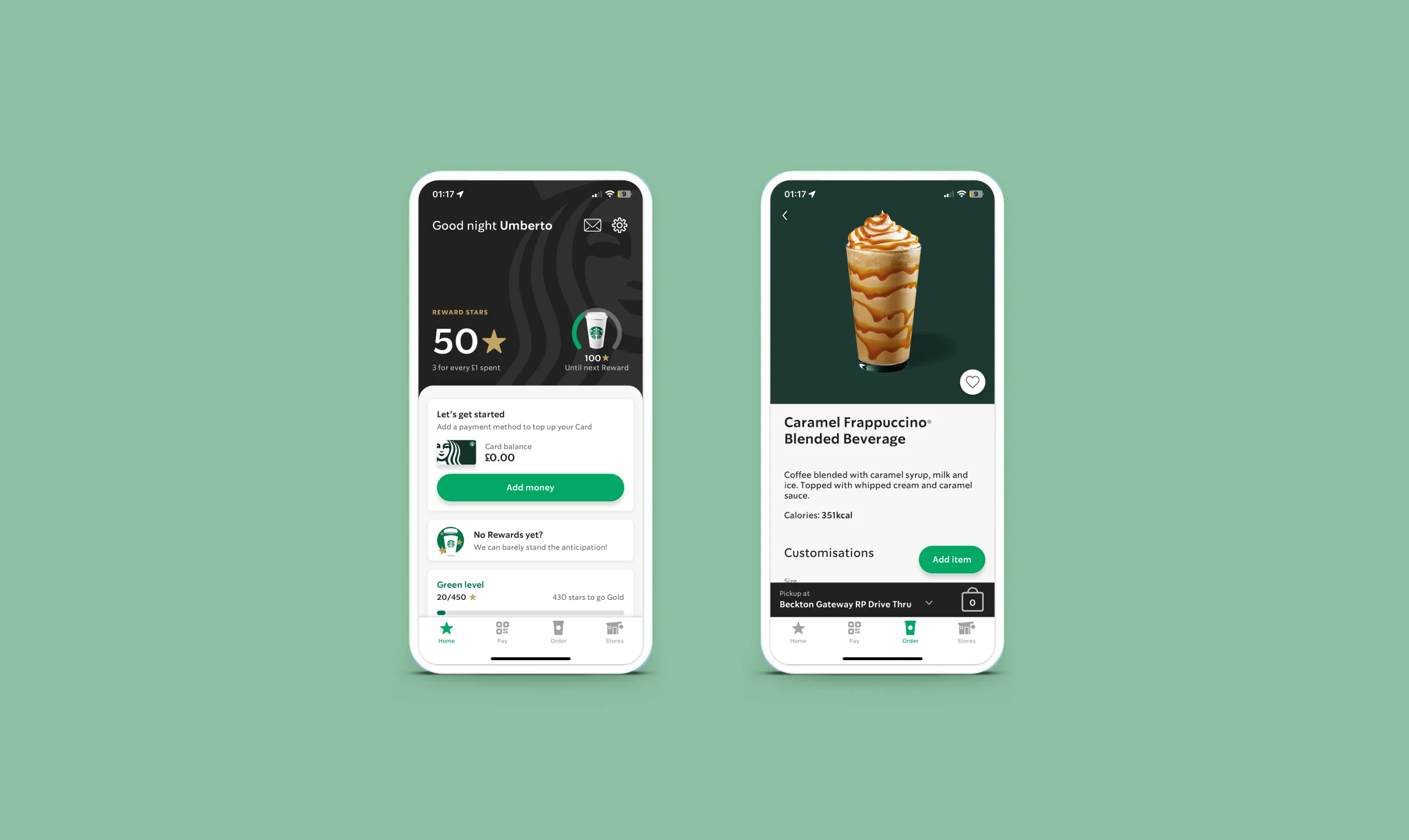
When CEO Brian Niccol took the helm, he walked into an operational nightmare. The digital interface was flawless, but the physical reality was broken. Baristas were drowning in an infinite queue of highly customized, mobile-ordered “Franken-drinks” (half-caff, three pumps vanilla, cold foam, extra hot).

The wait times exploded. The “Third Place” atmosphere vanished. Throughput crashed.
Niccol’s solution wasn’t a software update. It was an Operational Masterclass in radical simplification.
The “Franken-Drink” Trap
Starbucks fell into the trap of letting the Software dictate the Hardware (the store).
Because it is “costless” to add a button for a new syrup in an app, Starbucks offered millions of possible drink permutations. But in the physical world, every permutation adds seconds to the barista’s workflow.
A 15-second standard latte became a 45-second custom Frappuccino. When 20 of those hit the mobile printer at 8:00 AM, the supply chain collapsed. The digital promise broke the physical constraint.
The “4-Second Rule” & The Operations Pivot
Niccol instituted a ruthless “Back to Basics” mandate. He realized that in retail logistics, Throughput = Revenue.
The strategy wasn’t to build a better algorithm; it was to fix the physical workflow on the “Cold Bar” (where 70% of drinks are now made).
The 4-Second Math: If you can shave just 4 seconds off the production time of a single drink by optimizing the station layout, standardizing the ice scoops, and simplifying the menu options, the math is staggering.
- 4 seconds saved per drink.
- Over 100 million transactions per week globally.
- That is over 111,000 hours of labor saved per week.
More importantly, faster throughput means the line keeps moving, which means fewer customers walk out in frustration. Those 4 seconds are worth billions in retained revenue.
The “Atoms over Bits” Reality
Starbucks had forgotten a fundamental rule of business: A slick UI cannot compensate for a broken supply chain.
You can have the best app in the world, but if the customer has to stand in a chaotic lobby for 20 minutes to get a lukewarm coffee, your business model is failing. Niccol stripped back the digital promotions and focused entirely on the speed and quality of the physical cup of coffee.
The BWR Take
We spend too much time optimizing our digital funnels and not enough time optimizing our physical delivery.
Starbucks proves that “Customer Experience” isn’t a digital metric. It is an operational reality. If your app promises speed, your factory (or your barista) better be able to deliver it.
The lesson for 2026: Stop adding features. Start shaving seconds.

Tumisang Bogwasi
Tumisang Bogwasi is an award-winning entrepreneur and strategist sharing insights on business growth, leadership, and innovation.