In September 2026, DoorDash agreed to pay Wonder 300 million dollars for the campus dining division of Grubhub. It also agreed to invest another 125 million dollars in Wonder itself.
Wonder had bought all of Grubhub twenty months earlier, for 650 million dollars.
That is the interesting part. One division is priced at nearly half of what Wonder paid for the whole company, and the buyer is a competitor.
Marc Lore Built and Sold Two Companies Before He Bought One
Marc Lore has done this before, from the other side of the table. Amazon paid 545 million dollars for Quidsi, the parent of Diapers.com, in 2010. Walmart paid 3.3 billion dollars for Jet.com in 2016, and Lore left Walmart effective 31 January 2021.
Wonder is his third company, and the first one where he is the buyer.
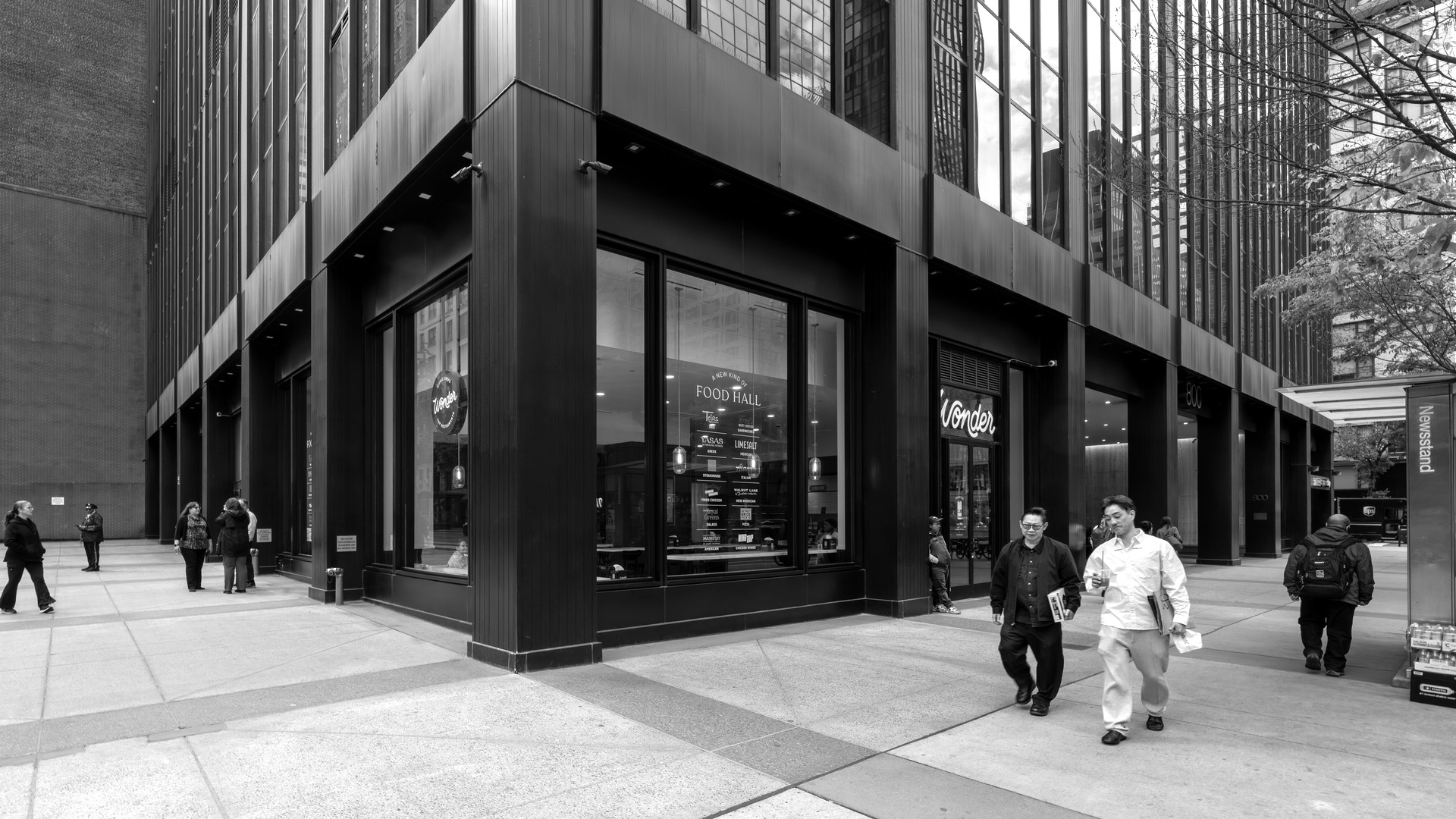
It runs food halls where up to thirty restaurant concepts cook from one kitchen. By its own September 2026 release, Wonder had 157 locations on the East Coast, four times as many as in 2025. A first Texas hall is planned for 2027.
It has raised about 3 billion dollars. The latest round, a Series D of more than 650 million dollars in July 2026, valued the company at 9 billion dollars, according to Fortune. On 5 November, Wonder said it had confidentially submitted a draft S-1 for an IPO.
Wonder Bought Demand for Kitchens It Was Still Building
Wonder signed the Grubhub deal on 13 November 2024 and closed it on 7 January 2025. The enterprise value was 650 million dollars, and 500 million dollars of that was debt. Just Eat Takeaway kept up to 50 million dollars.
Just Eat Takeaway had bought Grubhub in 2020 in an all-share deal valued at 7.3 billion dollars. Wonder paid less than a tenth of that valuation.
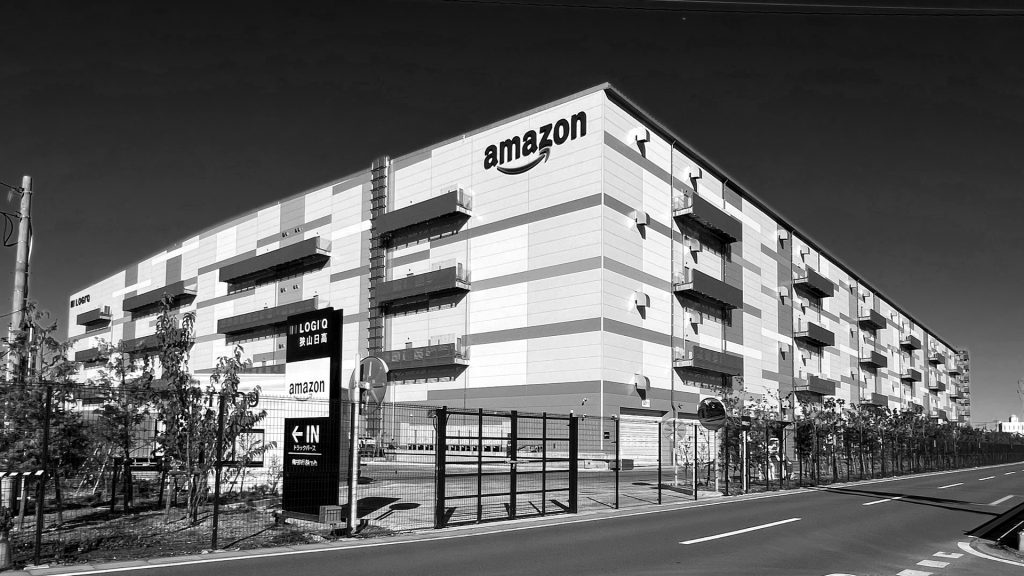
What Wonder got was reach. Grubhub came with about 375,000 merchants, 200,000 delivery partners and a campus dining business at 360 universities.
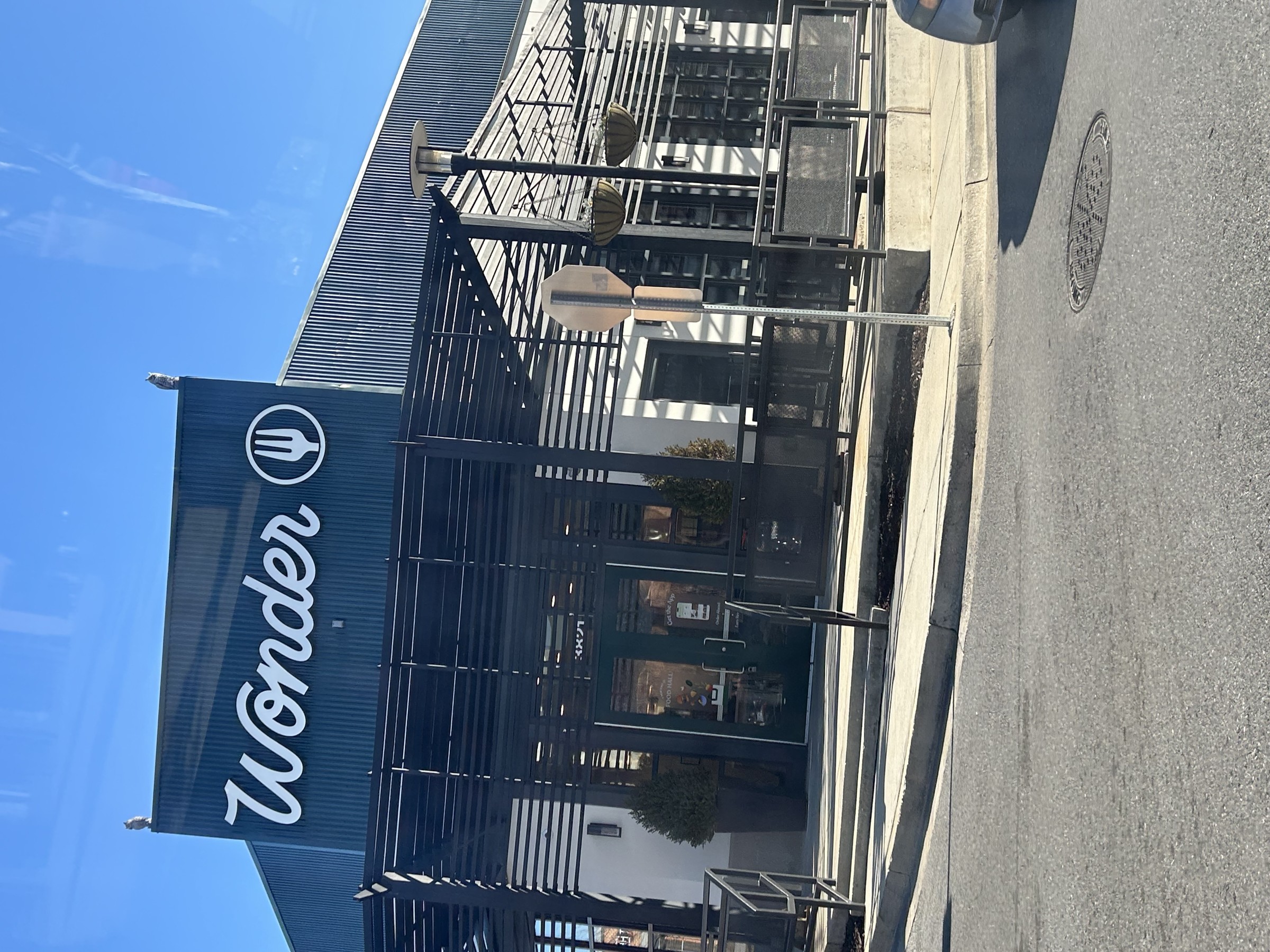
After the sale, Wonder’s food halls became available on Grubhub for third-party delivery.
Here is the reading that fits those facts. A kitchen business needs orders. Grubhub had them, and an owner that had spent more than two years looking for a buyer. Wonder bought the demand side of the market while it was still building the supply side.
That is analysis, not something Wonder has said in those words.
The Campus Unit Was Worth More to a Rival Than to Its Owner
Grubhub’s campus division, once known as Tapingo, runs at more than 450 campuses. Students order from dining halls and campus restaurants for pickup and pay with campus dining dollars.
For a food hall company, that is a side business. For DoorDash, it is a source of data and a way to reach young customers, as Restaurant Dive put it.
DoorDash said it would take Tapingo’s technology beyond campuses to stadiums and hotels. The sale is expected to close in early 2027, subject to regulators.
The arithmetic is short. 300 million dollars against a 650 million dollar purchase price is about 46 percent, for one division of a company Wonder still owns.
Wonder said the DoorDash investment will go toward physical expansion, technology, robotics and AI.
There is a catch worth naming. A direct competitor in delivery is now an investor in Wonder.
The Bill Arrives in Cash, Not Headlines
None of this makes Wonder cheap to run. The figures that follow are not audited, and most are not Wonder’s own.
Fortune reported projections from investor materials seen by The Information. They show an adjusted EBITDA loss of about 618 million dollars in 2026 and nearly 2.7 billion dollars of cash burn through 2029, with positive cash flow expected in 2030. Wonder has not published them.
A cash burn of that size is a financing question before it is a product question, the same lens as an A+ technology running a C- business model.
The July round also came in below an 11 billion dollar target reported by The Information. It carries an IPO ratchet: investors receive extra shares if the listing prices below 1.5 times the round price. Lore told Fortune it was light protection by his own past standards.
Costs are being cut as the company grows. Wonder laid off about 150 people, 7 percent of its workforce, on 3 September. It is cutting 533 jobs in New Jersey between 16 September and 8 January as two production sites close and the work moves to a larger one. Grubhub itself cut about 500 jobs after the takeover.
Acquisitions keep coming. Wonder bought Blue Apron for about 103 million dollars in 2023 and Sweetgreen’s robotics division for more than 186 million dollars in 2025.
The Number Nobody Outside Wonder Can See
Wonder has not disclosed its revenue, order volume, gross margin or what a single hall earns. Lore says same-service-area sales are growing about 20 percent. That is a claim, not an audited figure.
The most useful number for this story is also missing. We do not know what share of Wonder’s orders arrive through Grubhub.
If it is large, the Grubhub purchase is already paying. If it is small, Wonder paid 650 million dollars mostly for a division it is now selling.
The confidential S-1 is the first place that number could appear, and it stays private until the roadshow.
Buy the Channel Only After You Can Fill It
You do not need a robot kitchen to use this. If you are considering buying a customer base, a marketplace or a distributor, five checks come from this deal.
1. Know what you would send through it on day one
A channel without supply is an expense. Wonder already ran its own halls and listed them on Grubhub after the sale. Ask what product you will move through yours in the first month.
2. Value the pieces before you sign
Price each part of the target on its own. Grubhub’s campus unit turned out to be worth about 46 percent of the whole price to someone else. That does not make the deal good, but it makes it easier to survive.
3. Sell to the buyer who values the piece most
DoorDash wanted campus data and young customers more than a food hall company did. The best buyer for a division is often a competitor who needs exactly that part.
4. Check who ends up on your cap table
Taking a rival’s money funds growth, and it also gives a competitor a view of your numbers and a stake in your outcome. That is the opposite of Basecamp refusing outside capital. Decide it on purpose.
5. Find the number the story hangs on
For Wonder it is the share of orders that come through Grubhub. For you it is one figure that would prove or break the case. Get it before you copy the move.
Wonder bought a channel its owner was desperate to sell, found that one part of it was worth a great deal to a rival, and kept the rest. It has still not shown that the kitchens can pay for it all.
Before your next acquisition, ask which part of the target a competitor would pay most for, and what you would do if it did.
If you cannot answer, you are buying a company you have not yet priced.
Sources
- Restaurant Dive, DoorDash buys Grubhub campus unit for $300M, 15 September 2026. The 300 million dollar sale, the 125 million dollar investment, 450 campuses, 157 locations and the use of proceeds.
- Just Eat Takeaway.com, completion of the sale of Grubhub, 7 January 2025. Enterprise value, the senior notes and the 50 million dollar net.
- TechCrunch, Just Eat Takeaway completes Grubhub sale to Wonder for a modest $650M, 7 January 2025. The 2020 valuation of 7.3 billion dollars.
- Restaurant Dive, Wonder buys Grubhub for $650M, 13 November 2024. Grubhub’s merchants, couriers and campuses, and Wonder halls on Grubhub.
- Fortune, Marc Lore says Wonder is gearing up for an IPO, 16 July 2026. The Series D, valuation, projections from The Information, the ratchet and the 20 percent growth claim.
- Pulse 2, Wonder Group files confidentially for proposed IPO, 5 November 2026. The confidential draft S-1.
- Restaurant Dive, Wonder layoffs and 533 New Jersey job cuts, September 2026.
- TechCrunch, Amazon spends 545 million dollars on Diapers.com parent Quidsi, 8 November 2010.
- Fortune, Marc Lore leaves Walmart e-commerce, 15 January 2021. The Jet.com price and his departure date.
- Featured photo: Wonder Food Hall, Midtown East, by ajay_suresh, 14 May 2026, CC BY 4.0, via Wikimedia Commons.jpg), cropped and converted to black and white.
- Inline photo: Wonder Food Hall at The Shops at Canton Crossing, 24 December 2025, by Aspifi, CC BY-SA 4.0, via Wikimedia Commons.
- Video: Fortune Magazine, Wonder CEO Marc Lore interview, Term Sheet, YouTube.